Millstatt am See
Photographed by James Derheim, owner and operator of European Focus Private Tours in June, 2015
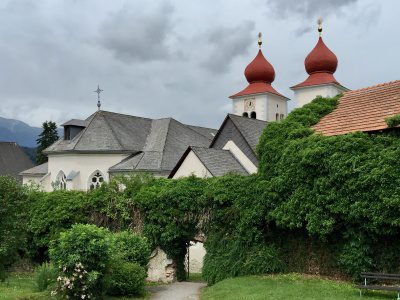
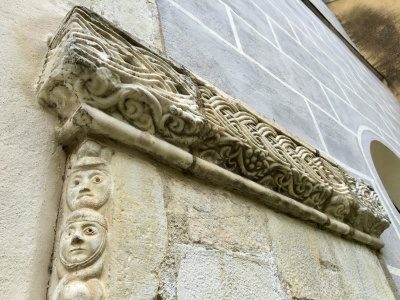
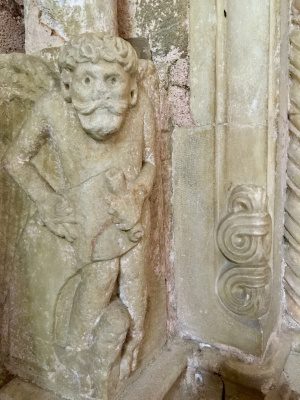
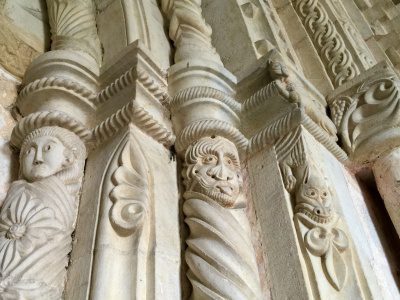
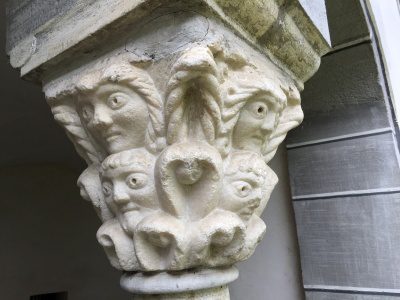
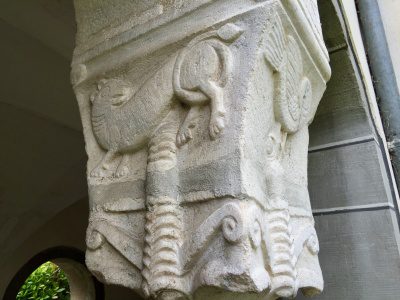
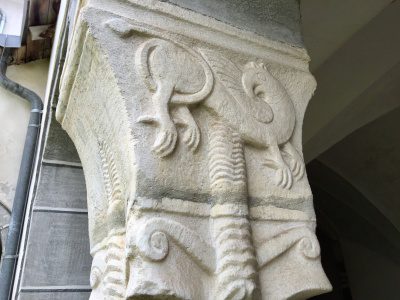
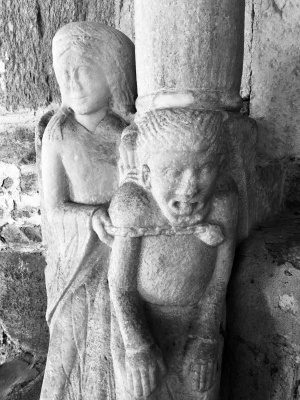
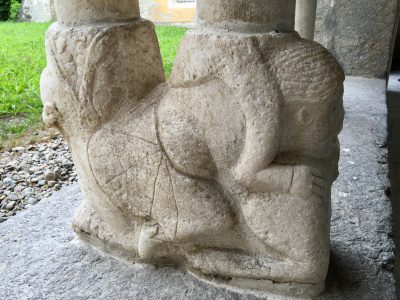
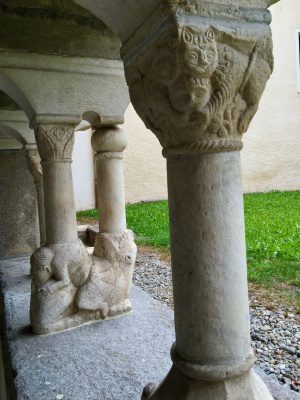
The construction of the collegiate church dates back to the time of the two abbots Otto I (1122/24 – 1166) and Henry I (1166 – after 1177). Construction began around 1130 and was completed around 1170 with the erection of the twin-towered westwork and the narthex. Under Abbot Henry I, the main portal, richly decorated with architectural sculpture, was also built. Its tympanum depicts Christ Pantocrator, surrounded by the symbols of the sun, moon, and stars, blessing the abbot who presents a model of the church. The church is a Romanesque basilica with pillars, which originally had a flat ceiling.
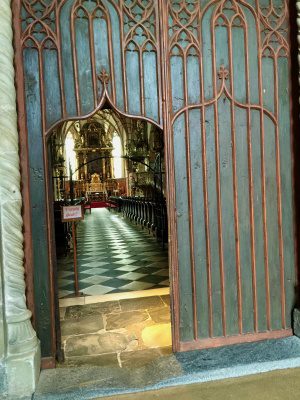
Under the Order of St. George (1469–1598), which took over the Benedictine monastery, a profound transformation took place: the nave and side aisles were vaulted (second decade of the 16th century), and the Seven Shepherds' Chapel and the Geumann Chapel were added to the north and south sides of the side aisles (late 15th century), respectively. These chapels now house the tombs of the two Grand Masters of the Order of St. George. In conjunction with the vaulting, the Romanesque apses were replaced by Gothic chancel ends. Remnants of frescoes depicting saints from the first half of the 15th century can still be seen on the pillars. Of particular art historical significance is the Last Judgment fresco by Urban Görtschacher (c. 1518), which is now located above the sacristy entrance. The Baroque interior of the collegiate church, including the altars, pews, pulpit, and larger-than-life statues of saints on the pillars, dates from the Jesuit period (1598–1773). In 1632, the present-day St. Anne's Chapel was added to the north aisle; until 1716, it housed and venerated the relics of Domitian of Millstatt. Around 1670, the two towers received their characteristic Baroque onion domes. (Source: Wikipedia)