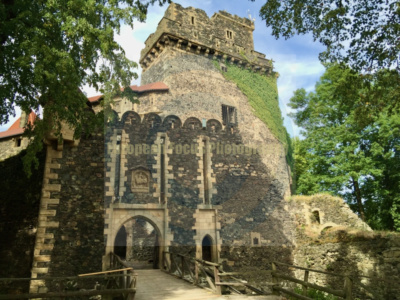
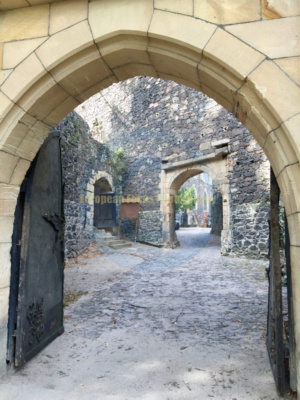
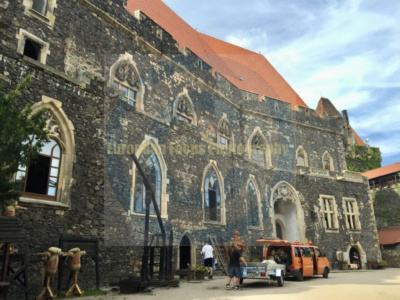
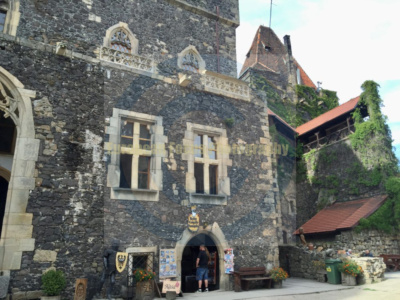
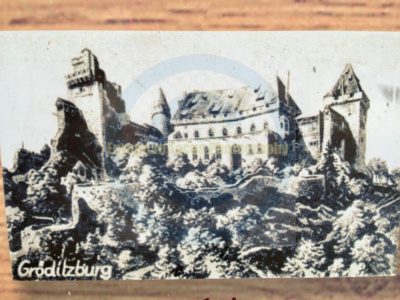
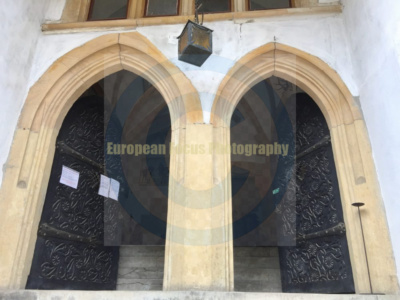
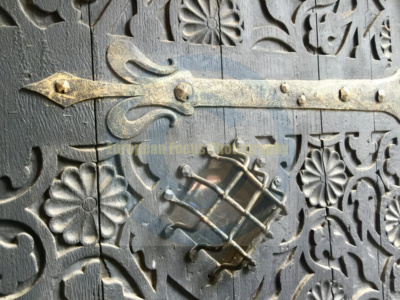
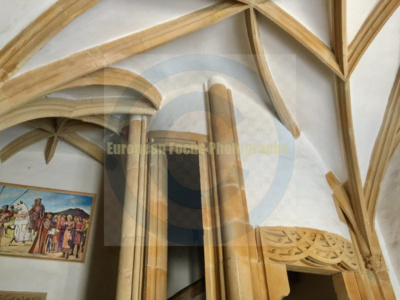
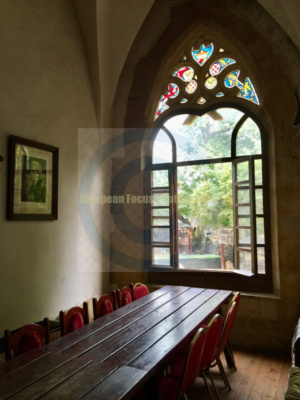
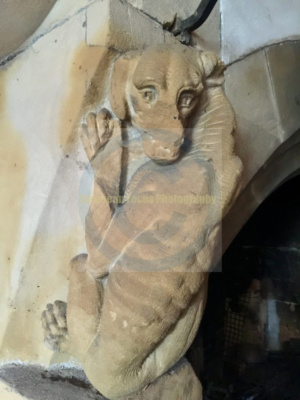
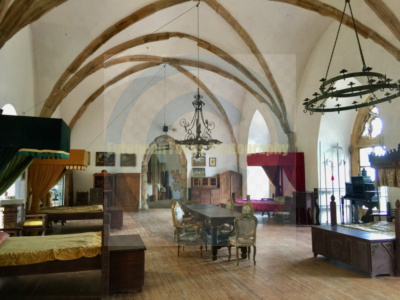
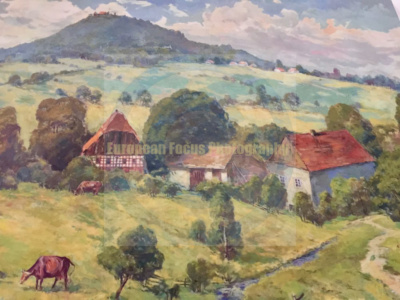
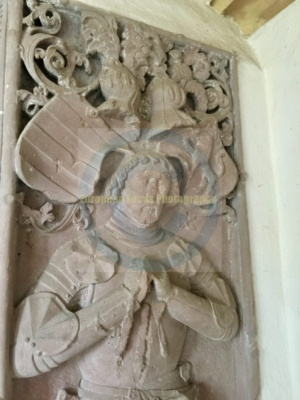
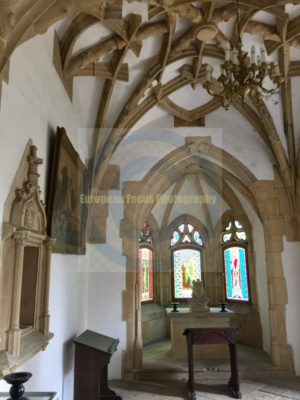
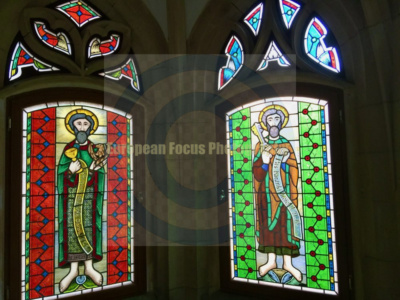
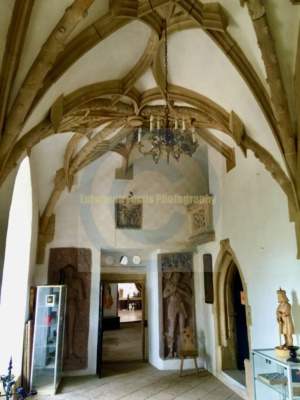
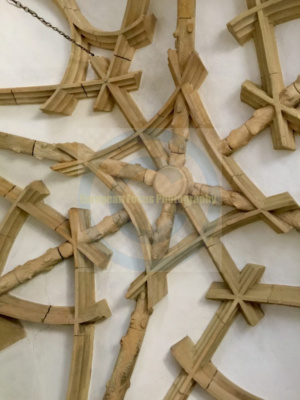
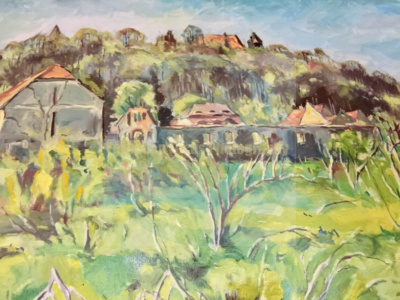
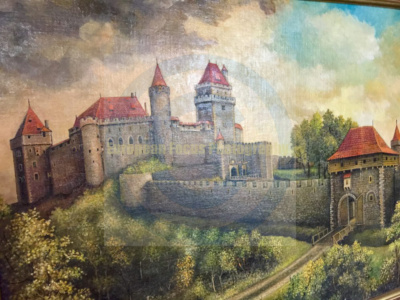
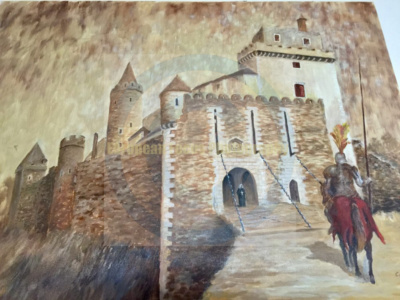
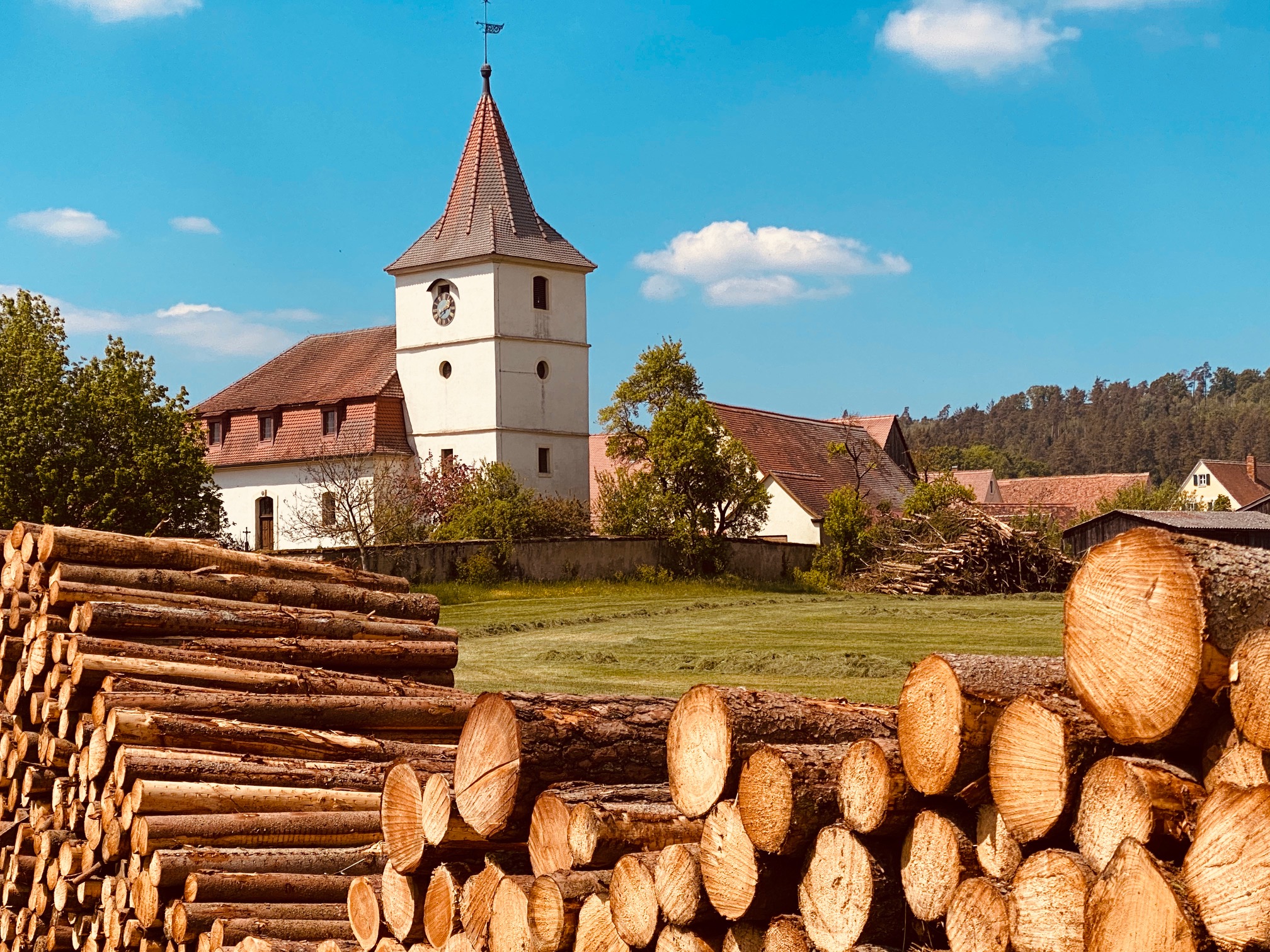
Zagrodno / Groditz / Gröditzburg / Grodziec Castle
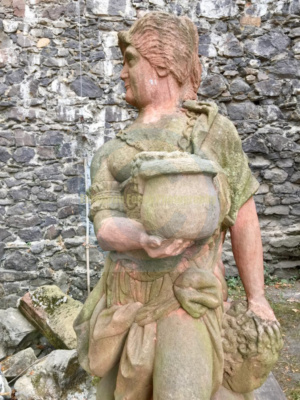
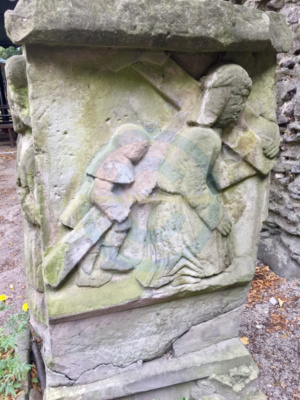
Zagrodno was photographed as part of a private tour to the area with genealogists in summer, 2015 by James Derheim, owner of European Focus Private Tours. Relevant to the history of the Schwenkfelders who emigrated from this region to Ohio.
The Schwenkfelder Church in America and more https://en.wikipedia.org/wiki/Schwenkfelder_Church
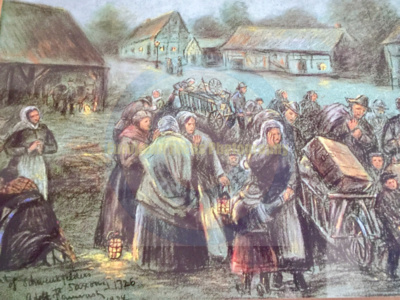
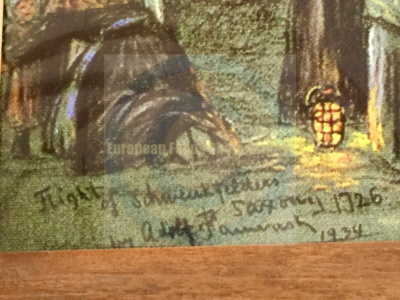
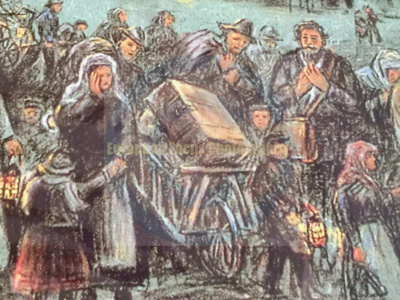
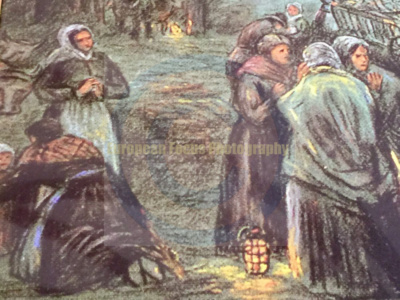
The Schwenkfelders’ story is one of fleeing intense religious persecution in Silesia (Germany/Poland) for Pennsylvania’s promised religious freedom, with small groups arriving between 1731-1737, most notably the large contingent on the ship St. Andrew in 1734, establishing themselves near other German groups, preserving their distinct faith by founding the Schwenkfelder Library and Heritage Center in Pennsburg, PA, and later moving west to Ohio and Canada, maintaining their identity through community and heritage.
Persecution in Silesia
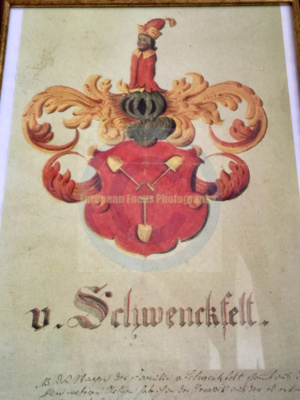
- Heretics: Followers of Caspar Schwenckfeld (1489–1561) were labeled heretics for rejecting literal interpretations of the Bible and infant baptism, facing fines, imprisonment, and forced military service.
- Pressure to Convert: By the 1720s, pressure from Catholic and Lutheran clergy intensified, denying them freedom of worship and basic rights, even burial.
Journey to Pennsylvania
- Seeking Refuge: After brief refuge in Saxony, they were forced to flee, with one large group (around 180 people) finding temporary shelter with Dutch Mennonites before sailing to America.
- Arrival in 1734: The St. Andrew arrived in Philadelphia on September 13, 1734, marking a significant arrival of these exiles seeking religious liberty.
- Settlement: They settled near other German groups in Pennsylvania, a haven for religious diversity.
Life in America & Westward Movement
- Preservation of Faith: The Schwenkfelders maintained their unique faith, emphasizing inner spiritual experience, and established the Schwenkfelder Library in 1885 to preserve their heritage.
- Emigration to Ohio: While most remained in Pennsylvania, some Schwenkfelders later moved west, with significant numbers settling in Ohio and Ontario in later centuries, driven by economic opportunity and a desire for land.
Legacy
- Enduring Community: Today, descendants celebrate their heritage, often integrating their distinct spiritual traditions within larger denominations like the United Church of Christ, honoring their ancestors’ journey from persecution to freedom.
(Wikipedia)