Ulm, Baden-Württemberg
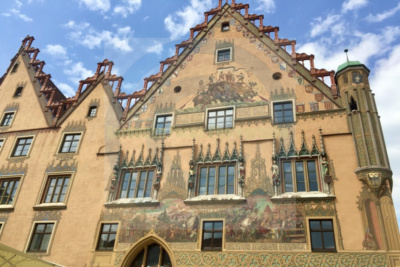
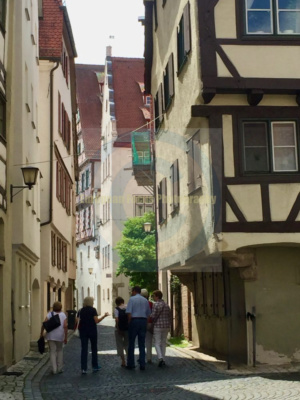
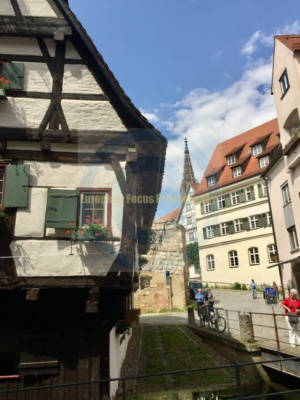
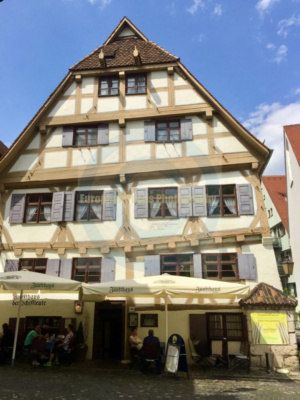
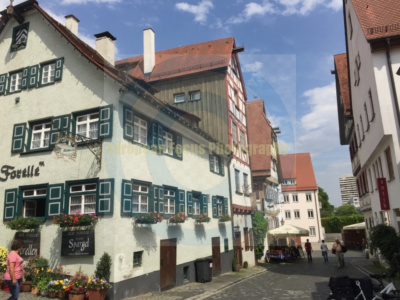
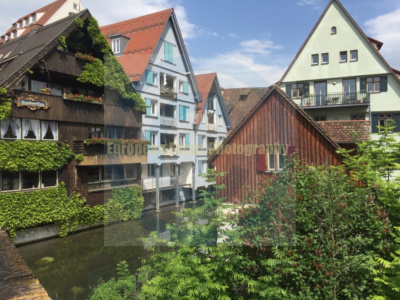
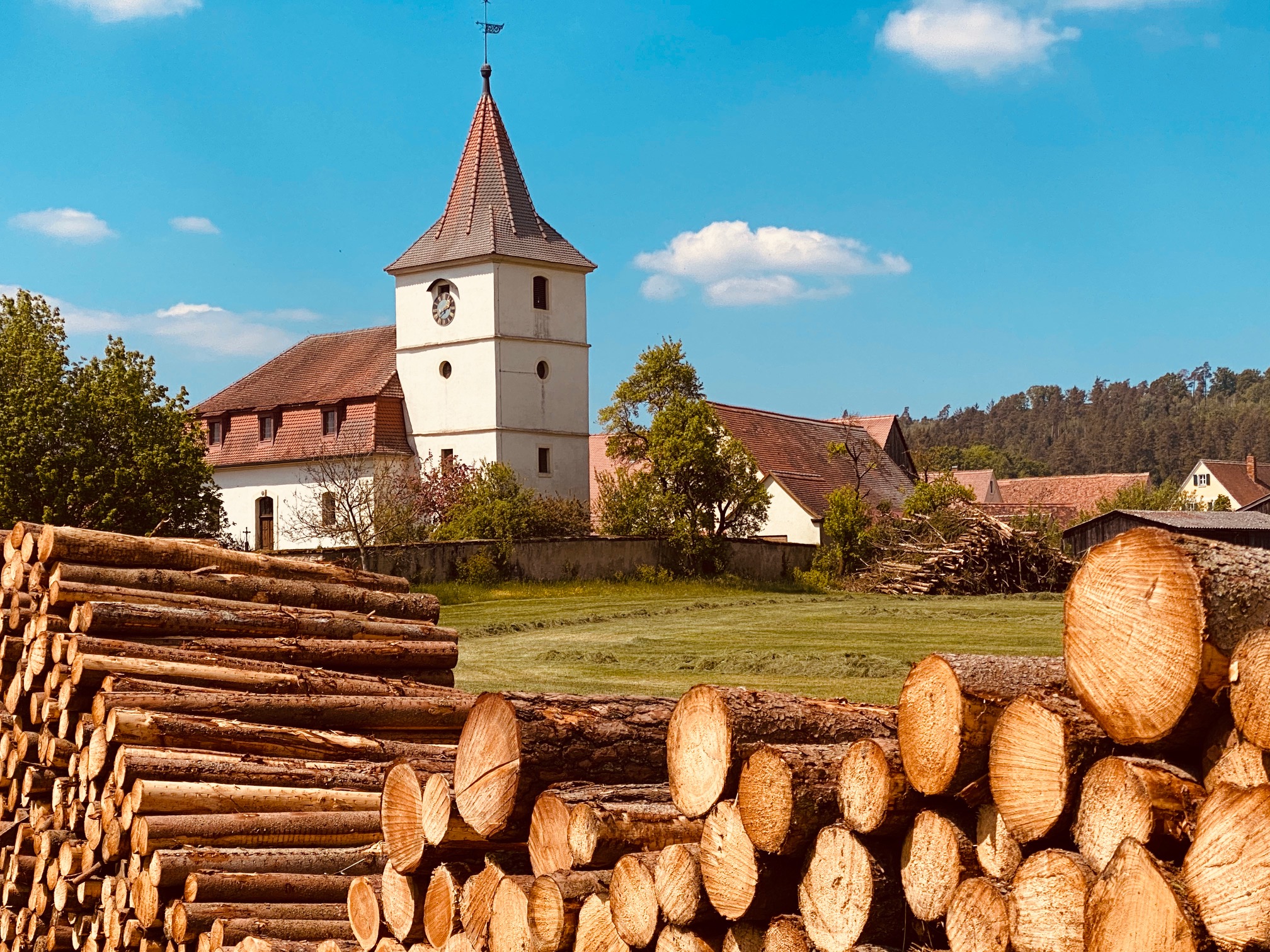
Ulm, Germany was photographed by James Derheim in various visits starting in 2016
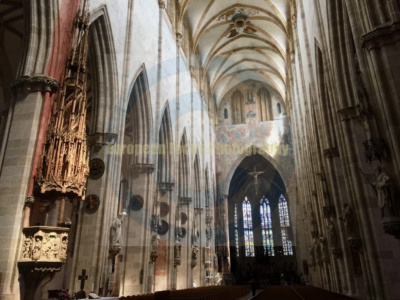
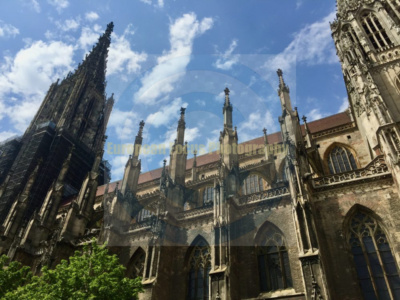
History of Ulm Münster. There was no previous church on thee site of the current Ulm Münster, however, instead, the parish church of Ulm had been outside of the town walls, and it was decided by the Burghers to construct a new church within the walls (at their expense – and when they decided to spend money, they wanted to get a lot of bang for their buck – even if it took more bucks). Ulm Münster, often, erroneously, called Ulm Cathedral (Ulm has never been the site of a bishop’s throne, but its sheer immensity leads one to expect cathedral status) was begun in 1377. It was designed to be impressive and size seems to have been their primary way of expressing it; its triple nave with side aisles means that it can hold 11000 people when the pews are in place, and if removed Ulm Münster can hold almost 20000 people! Ulm Münster, whilst only consisting of the triple naves, choir and temporary roof was consecrated in 1405.
Over the next few years structural faults developed, due to the height o f the naves and the weight of the construction – this led to a massive reconstruction, the side aisles were added with more pillars to distribute the load.
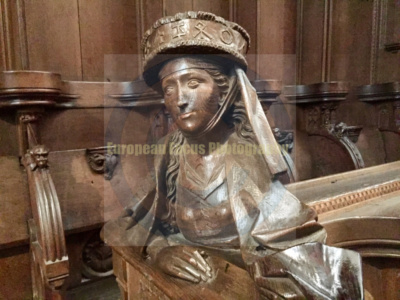
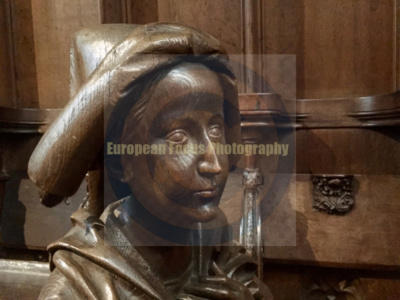
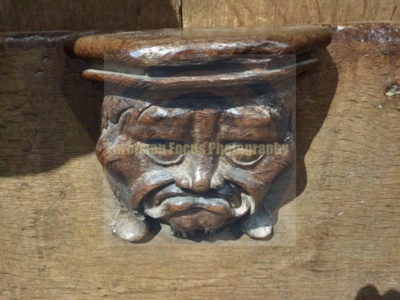
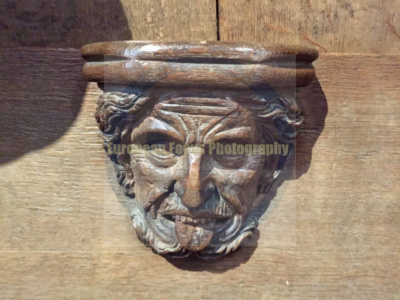
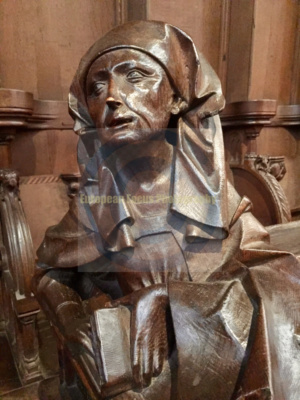
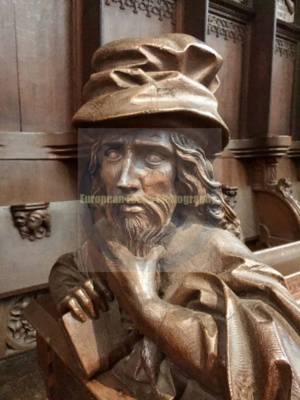
The misericords were carved by Jörg Syrlin the Elder, between 1469 and 1474. What is incredible about this is that Jörg was probably only 20 when he started these, so at best could only have been a journeyman, yet his skill is evident in these misericords.
In 1530/31 a referendum was held in the city to decide if Ulm should stay Roman Catholic or become protestant – the decision was overwhelmingly to become protestant. This decision, obviously had major implications to the design on the church, not least of which could have been the misericords; these had only been installed 40 or so years before, but the change from Catholicism had a bearing on whether or not a college was needed and, therefore, the misericords – thankfully they were kept.
Major changes in the political, economic and religious landscape of the area caused the church building to be halted in 1543, with the spire incomplete, although already exceeding 100m in height!
Building work was resumed in 1817, primarily to finish the 3 steeples. Ulm Münster was officially completed on 31st May 1890.
Incredibly, on 17th December 1944, a major bombing raid destroyed most of the buildings in the Münsterplatz, and large tracts of the city, however the Münster was barely touched. (Source: misericords.co.uk/ulm)