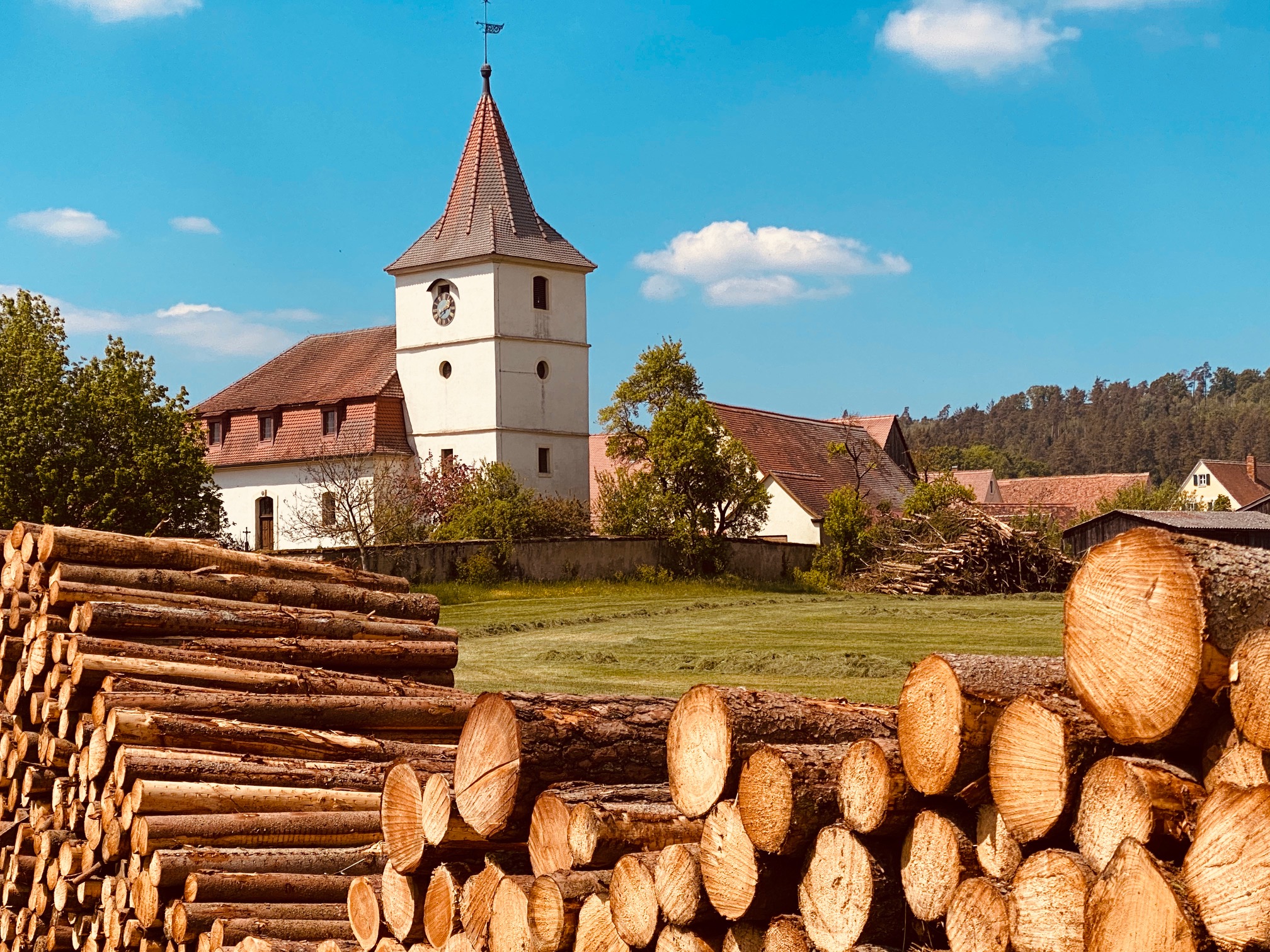
Alsfeld, Hessen
Alsfeld, Hessen was photographed by James Derheim, European Focus Photography, in 2016 and 2017.
Located about 100 km (62 mi) north of Frankfurt, Alsfeld is part of the densely populated Frankfurt Rhine-Main Metropolitan Region, with nearby Lauterbach (about 15 km (9.3 mi) east), one of the two centre cities of the Vogelsbergkreis district.
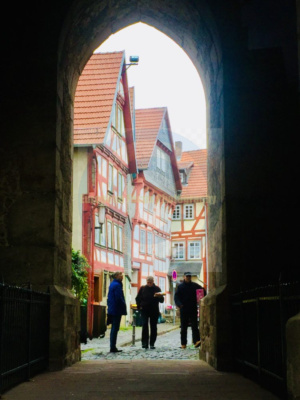
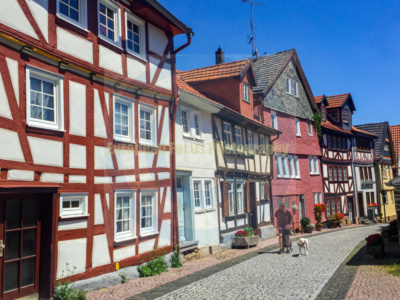
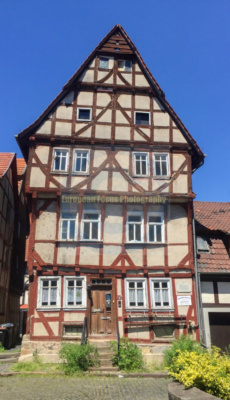
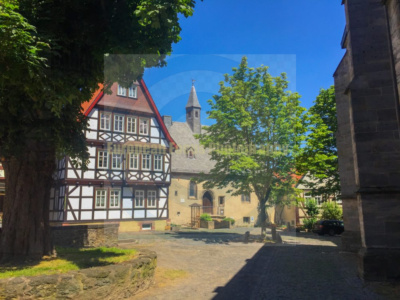
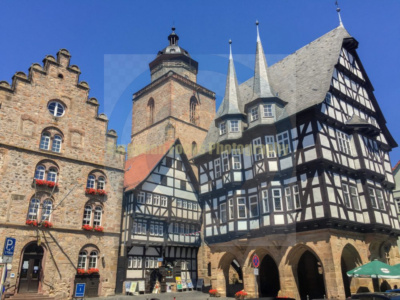
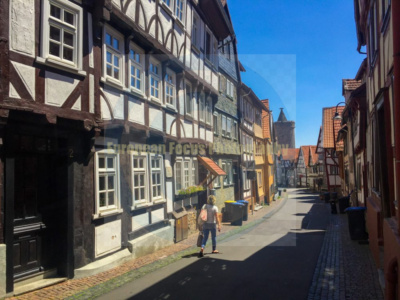
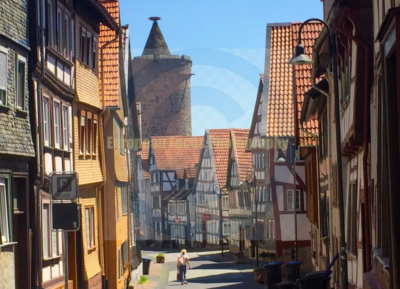
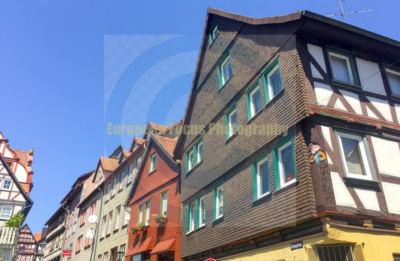
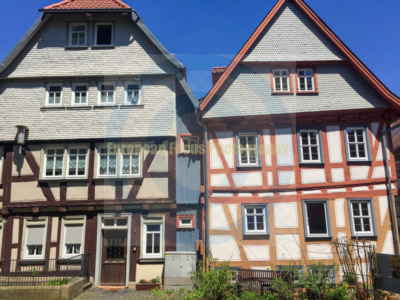
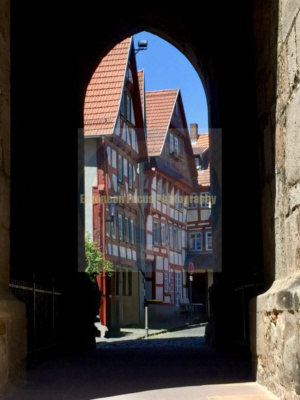
Alsfeld is best described as a blend of a historic bourgeois European town and its rural-agricultural environs and shaped by typical Lutheran-Pietist characteristics, such as austerity and a Protestant work ethic. It is well known for its well-preserved old town with hundreds of picturesque timber-frame houses, and part of the German Timber-Frame Road.
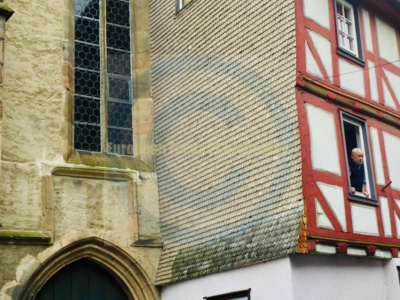
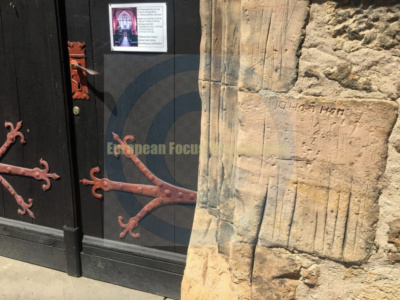
Alsfeld was first mentioned in an official document in 1069. Excavations in the Walpurgiskirche have discovered that a Romanesque church existed here already in the 9th and 10th centuries. It is therefore estimated that the town was founded in Carolingian times. Between 1180 and 1190 the Counts of Thuringia built a castle along the historic trading route of the Kurze Hessen. That location favored the development of Alsfeld and it was subsequently documented as a town as early as 1222.
Since 1247 Alsfeld has been part of Hesse and in 1254 the town joined the Rheinischer Städtebund. Hermann II built himself a castle here in 1395 and for a time turned the town into his official residence. The city enjoyed rising prosperity due its favourable geographical location and the policies of the Landgrave of Hesse. Trades and handcrafts flourished and Alsfeld developed into a wealthy, industrious municipality on the “Street through the short Hesse”. Evidence of this is the church, monastery, towers, town hall and water supply system. Of great importance were the guilds, which gained influence over local government through the so-called “Korebrief” (constitution). From 1567 Alsfeld belonged to Hesse-Marburg and from 1604 on to Hesse-Darmstadt.
Alsfeld’s golden age
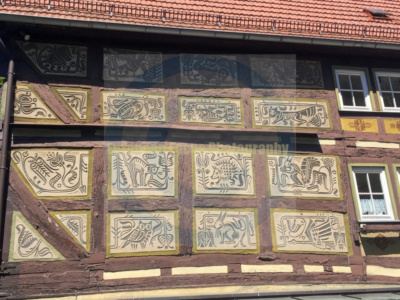
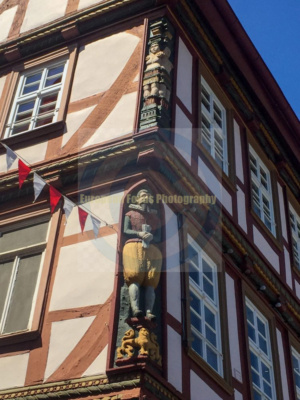
In the 16th century, the citizen’s creativity brought about a “golden age” in architecture and design, resulting in the erection of the town hall (1512–1516), the wine house (1538) and the wedding house (1564–1571) – all unique buildings. The many half-timbered buildings, which are still in existence today, are what make the market place so singularly attractive. Together with the medieval streets and their typical character, the city is regarded as the jewel in the crown of the upper Hessian cities.
Whereas the geographical position of Alsfeld had been to its advantage, it also led to its demise. The city was centred on important trade routes and the following 30 Years War (1618–1648) resulted in plunder (1622), starvation (1626), plague (1635), occupation (1640 and 1643–1646) and the destruction of 226 residential buildings and 80 cottages (1646). By 1648 only 1120 people were still living in the city (mainly women and children). The economic and social fall of the city created a population of struggling smallholders, active in crafts and trades and also agriculture. Many of the fine buildings fell into disrepair.
19th century
During the 19th century the town had a vibrant Jewish municipality which built in 1908 a new large synagogue. A well-maintained Jewish cemetery adjacent to a Christian cemetery lies on the outskirts of the town. The pre-1908 synagogue exists as a building. It wasn’t until the 19th century, in 1832, that Alsfeld was to experience a renewed rise as the district capital. Railway construction (1870) and the industrial revolution resulted in the fundamental transformation of the smallholding system.