Norton Malreward, Somerset
Photographed by James Derheim, European Focus Private Tours, on May 31, 2017
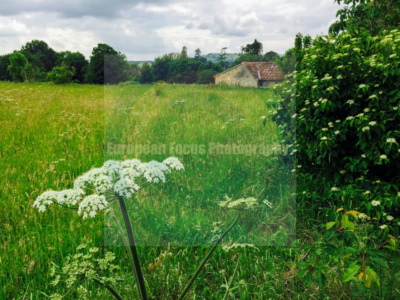
Norton Malreward is a small Somerset village and civil parish 4 miles (6.4 km) south of Bristol, England at the northern edge of the Chew Valley. In 1895 Norton Malreward was combined with the neighbouring hamlet of Norton Hawkfield (also spelt Hautville) into a single parish,[2] which has a population of 246.[1]
History
Norton Malreward is listed as Nortone in the Domesday Book of 1086, meaning ‘the north enclosure’ (from the Old English norp and tun). Malreward is a corruption of the Norman surname Malregard (lit. ‘evil eye/glance’),[3][4] that of a tenant of the bishop of Coutances in 1238.[5] During the reign of Edward I the manor was held by John Le Sore of Backwell. Later lords of the manor included Hawisia de Burton, John de Burton, Robert Grayndor, Robert Basset and Sir William Basset. In 1701 the manor was sold to Richard Holder and sold again in 1718 to Francis Freeman and Samuel Prigg.[2]
Just north of and overlooking the village is Maes Knoll Tump, a tumulus 390 by 84 feet (119 m × 26 m), and 45 feet (14 m) in height, the start of the Wansdyke. The remains of this Iron Age hillfort lie at the eastern end of the Dundry Down ridge. The hillfort consists of a fairly large flat open area, roughly triangular in shape, that was fortified by ramparts and shaping of the steep-sided hilltop around the northern, eastern and southwestern sides of the hill (the flat area in World War II was dotted with stone cairns to deter the landing of enemy gliders to invade Bristol; a detachment of the Dundry Home Guard had a draughty corrugated-iron look-out shed on the top of the tumulus).[6] Maes Knoll provides a splendid view over the lands it would have once commanded. From here, there are clear views north to Bristol, east to Bath and the Cotswold Hills, and south over Stanton Drew stone circles to Chew Valley Lake and the Mendip Hills.
The parish was part of the hundred of Chew.[7]
Ammonites and fossil nautili are abundant in this neighbourhood.
The village lies on the route of the Monarch’s Way long-distance footpath.
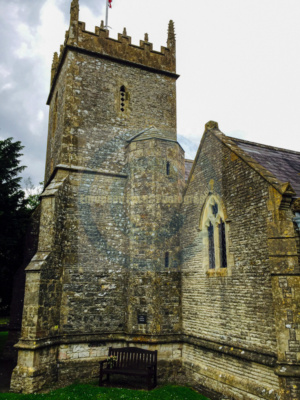
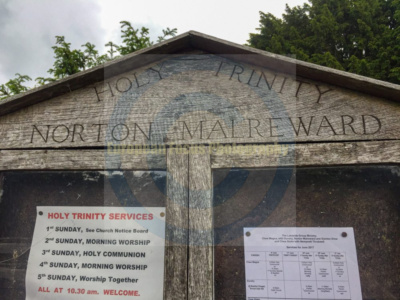
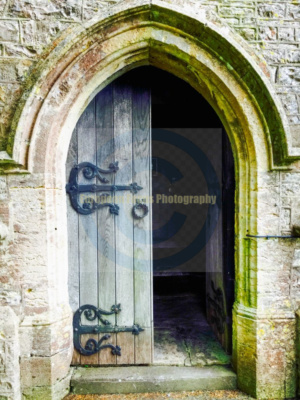
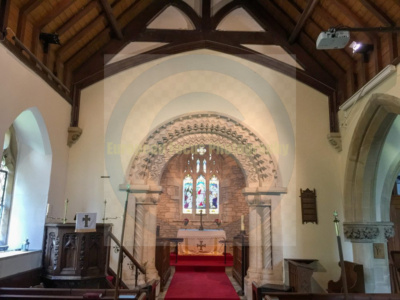
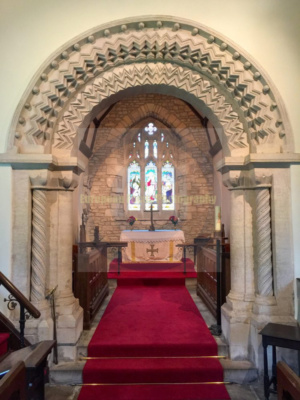
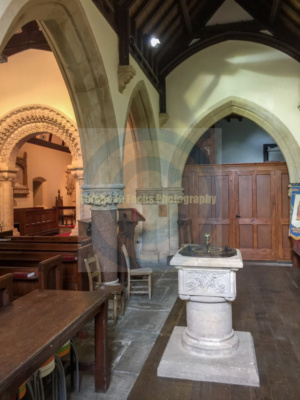
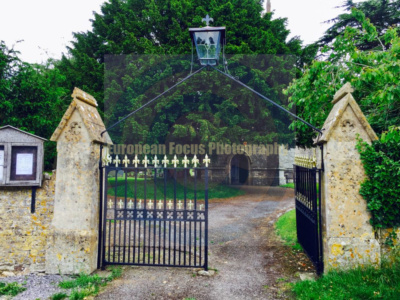
The Anglican Holy Trinity Church in Norton Malreward, Somerset, England dates from the late 12th century. It has been designated as a Grade II listed building.[1]
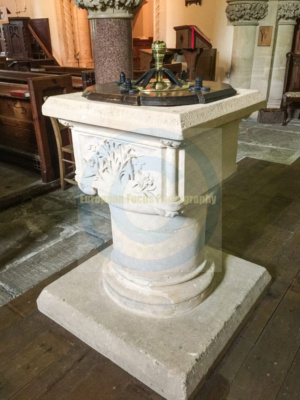
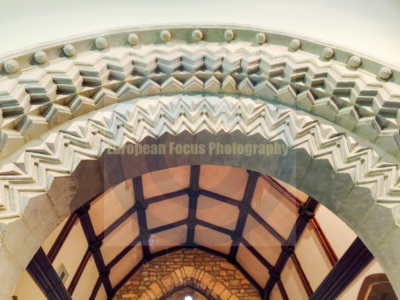
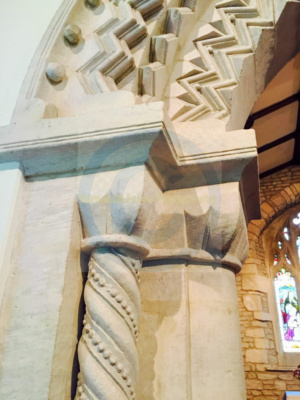
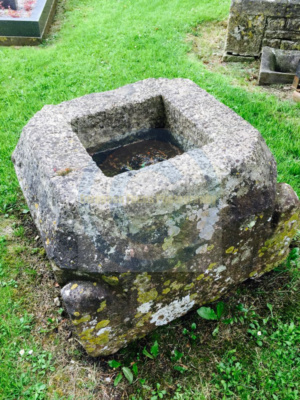
The archway between the nave and chancel and the font remain from the original Norman church, however much of the rest of the building has been revised and expanded over the centuries.[2] The 40 feet (12 m) two stage west tower was added in the 15th century with diagonal buttresses to the lower stage and rebuilt, along with much of the church, around 1860 by James Wilson of Bath.[1] It is surmounted by battlements and pinnacles.[2]
The church is within a joint benefice with the Church of St Andrew, Chew Magna and the Church of St Michael, Dundry.