Bad Sooden - Allendorf, Hessen
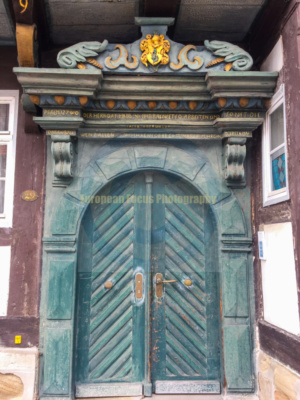
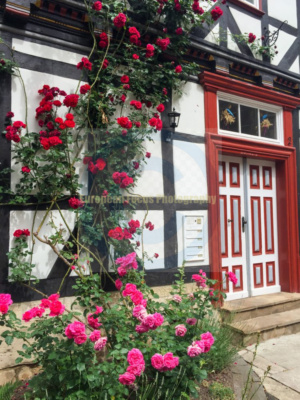
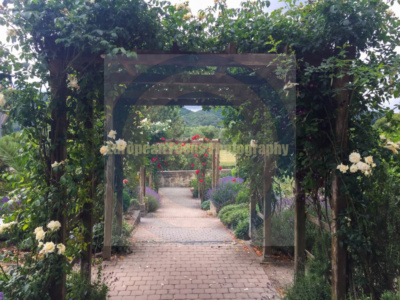
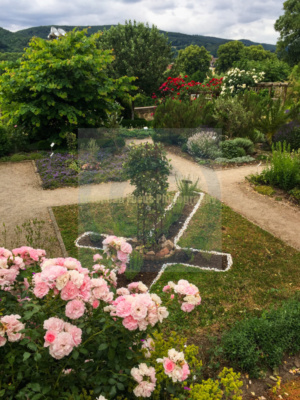
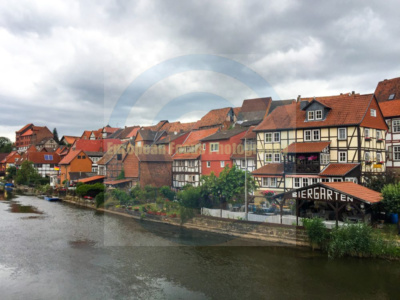
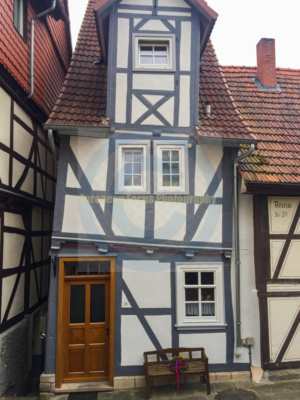
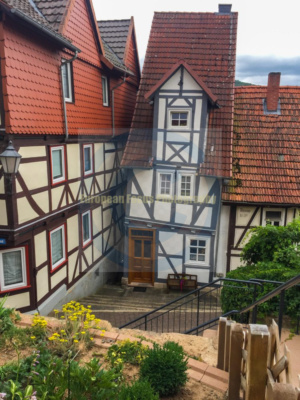
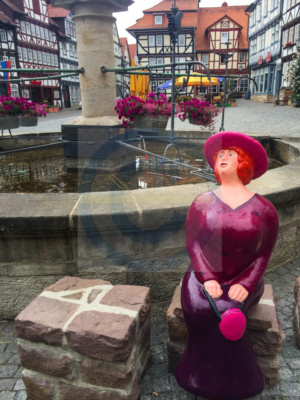
Bad Sooden – Allendorf in Hessen was photographed by James Derheim, European Focus Private Tours, in June of 2018. This gallery focuses on the Allendorf side of the Werra River.
The place has existed since at least the late 8th century. This is confirmed by one of the Frankish king Charlemagne’s donation documents, which historians have dated to some time between 776 and 779. With this document, Charlemagne transferred the saltsprings, the saltpans, the saltworkers, the market, the tribute and the toll of the settlement of Westera to the Fulda Abbey. The settlement’s name refers to its location on the western border with Thuringia, which still runs through here today.

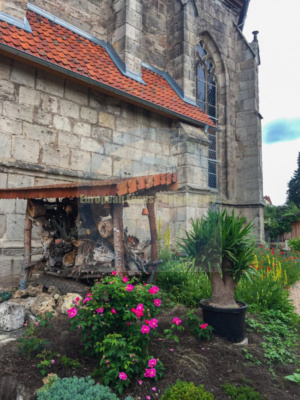
In April 1637, during the Thirty Years’ War, the Geleen and Count Isolani Croatian regiments attacked the town, whereby the town was burnt almost right down. Even the two churches and the town hall were destroyed. The council estate – built wholly out of stone – withstood the great town fire, and still remains preserved today as the town’s oldest building.
For more than a thousand years, until the late 19th century, salt was extracted from brine at the saltworks by boiling. The brine was brought up from a deposit under the town. The breaking of the salt monopoly in the wake of annexation by Prussia in 1866 led to a fall in price, which in turn led to the industry’s end. The last salt was produced in 1906.
Along with the downfall of the saltworks, however, came the discovery of the brine’s healing properties, and thus began the spa industry, with a bathhouse opening on 1 June 1881.
Still today, the time of saltmaking is remembered with the Brunnenfest (“Well Festival”) held yearly at Whitsun, when salt is extracted from brine by boiling in an historically authentic process to demonstrate how salt was produced. In a salt museum, the salt is then sold; presented there, as well, is the history of saltmaking.
(Wikipedia)