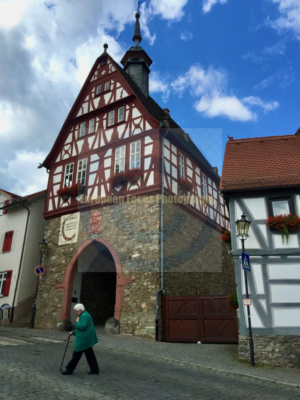
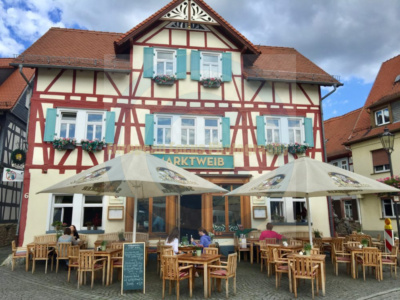
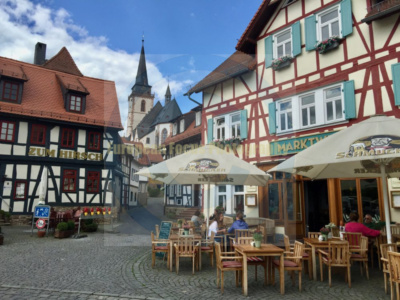
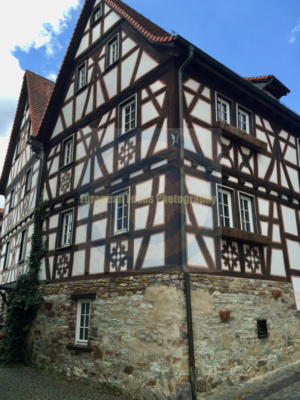
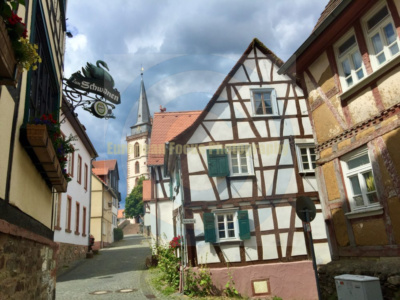
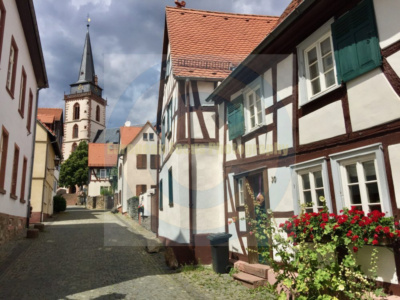
Oberursel, Hessen
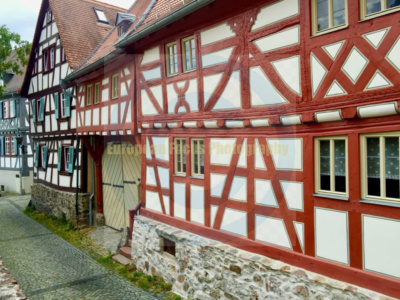
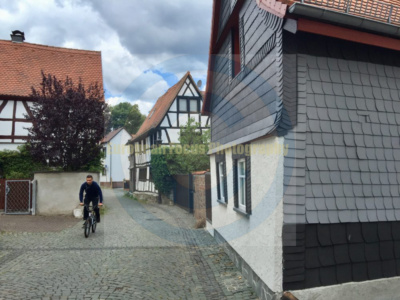
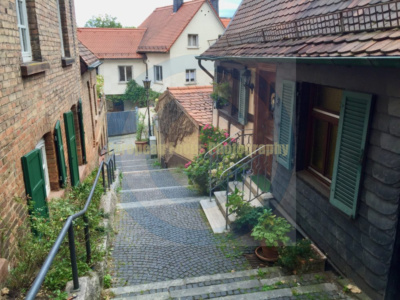
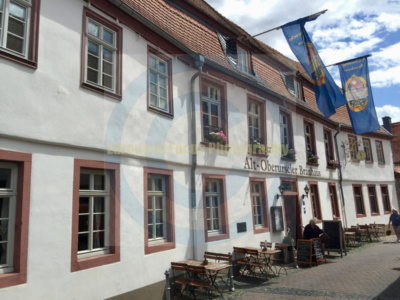
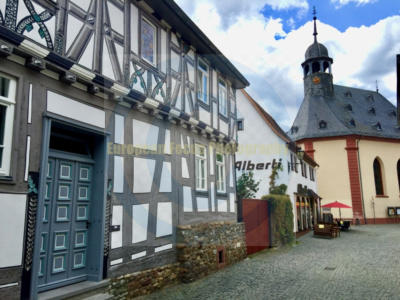
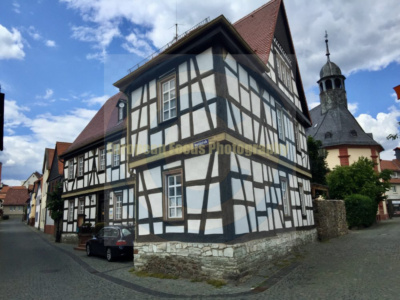
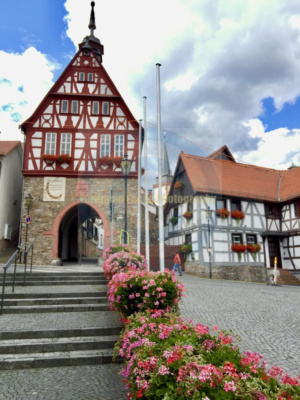
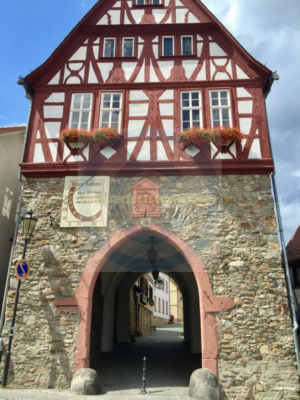
Oberursel, Germany was photographed by European Focus Photography founder James Derheim in July, 2015
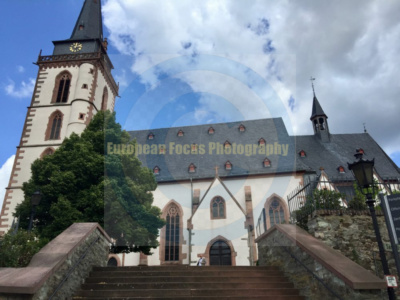
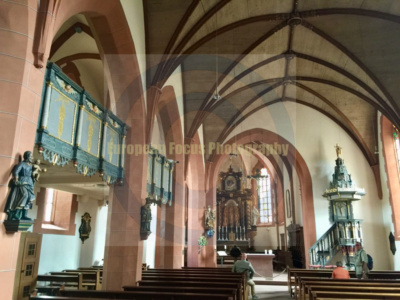
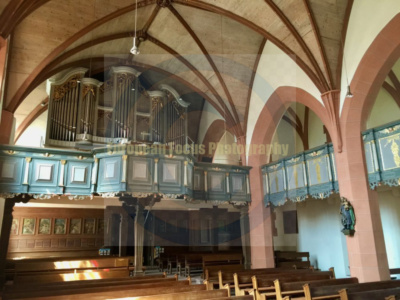
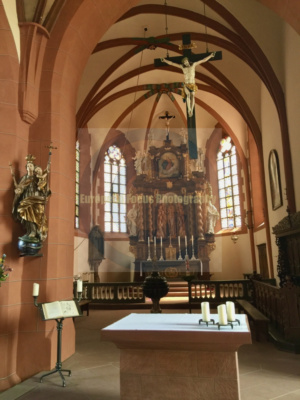
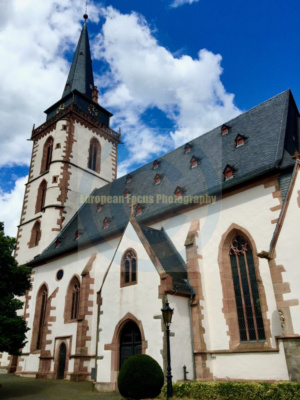
St. Ursula Church in Oberursel is a historic site with roots stretching back over 800 years, featuring a main structure from the 15th century and a 12th-century tower base.
Key historical details about the church’s age include:
- Origins: The first sacred buildings on the site date back to the 12th century, with archaeological evidence of a church found from 1160–1180.
- Main Structure: The current church was built in stages starting in the mid-15th century, coinciding with the town rights granted in 1444.
- The Tower: The distinctive church tower was built between 1479 and 1498.
- Reconstruction: After being severely damaged by fire in 1645 during the Thirty Years’ War, the church was rebuilt and consecrated again on October 14, 1659.
- Oldest Artifact: The oldest bell, known as “Maria Craft,” dates back to 150
Key details regarding these figures include:
- “Teuflische Trinität” (Devil’s Trinity): The figures are often described as a “devilish trinity” designed to ward off evil, featuring a ram, a monkey, and a snake-like creature.
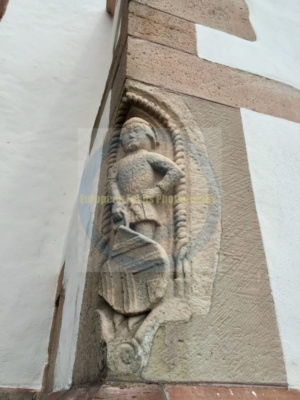
- Other Sculptures: The exterior of the church also features other carvings, including a “camp knight” with hands on his hips, a lounging dog, and a man with horse’s ears.
- “Flennels”: One of the figures is colloquially known as “Flennels” (a whining or crying woman).
- Cultural Context: These types of figures, sometimes referred to as demons in animal form (Dämonen in Tiergestalt), are often found on Gothic churches as protective elements.
The tower, built between 1479 and 1498, also houses a “Tower Museum