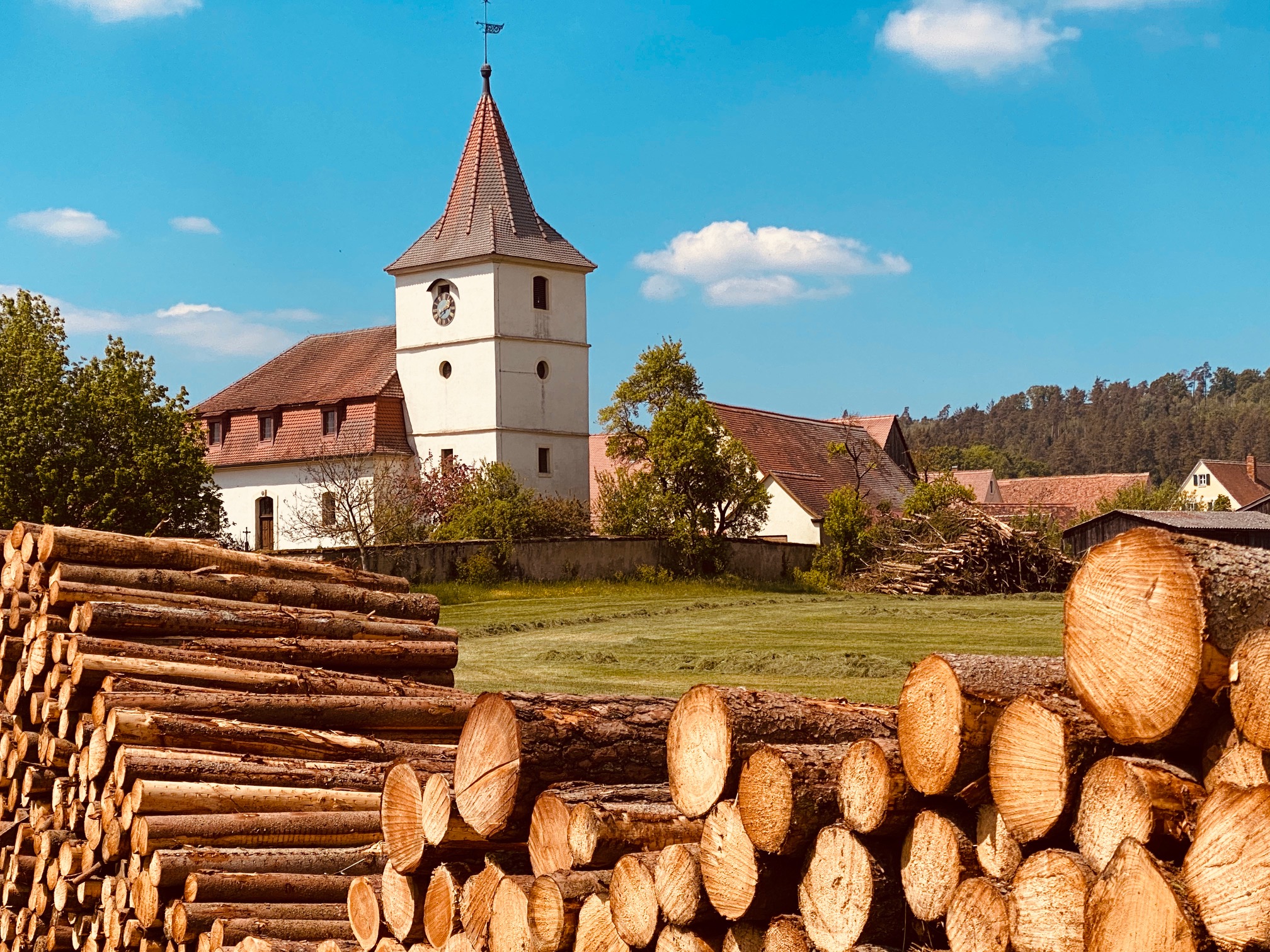
Straubing, Bavaria
Straubing, Germany was photographed by James Derheim, European Focus Private Tours
After the fall of the Roman Empire, Straubing almost seamlessly became a settlement center for the Bavarians , who primarily settled in the area of the old Roman settlement around the present-day churchyard of St. Peter, between the Allachbach stream and the Danube River, and in what is now the Alburg district . Following Bavarian custom, the new settlement was named Strupinga after the clan leader Strupo , from which the name Straubing eventually developed.
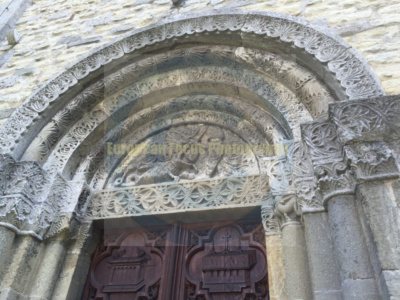
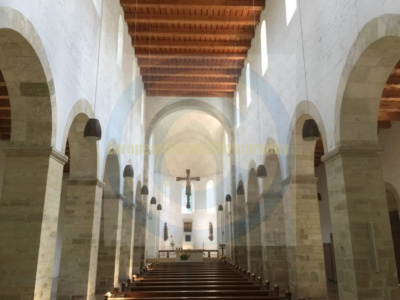
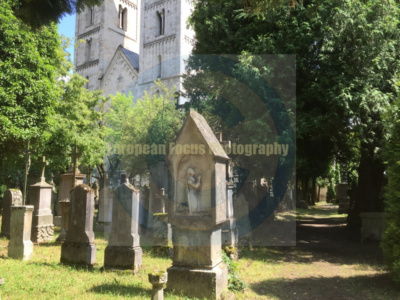
After the deposition of the last Agilolfing duke, Tassilo, Straubing became Carolingian crown land and, under Emperor Otto the Great, came into the possession of the Saxon imperial house, ultimately passing to Emperor Henry the Holy . The first documented mention of the town dates back to 897, when Emperor Henry gifted his estate in Straubing to his brother Bruno , then Bishop of Augsburg . After Bruno’s death in 1029, the lordship over old Straubing passed to the Augsburg Cathedral Chapter , from whose rule the city only bought its freedom in 1537. Finally, in the second half of the 12th century, the Romanesque – style Church of St. Peter was built on the site of two earlier structures, becoming a widely visible symbol of the Cathedral Chapter ‘s power.
In 1218, Duke Ludwig the Kelheimer of Wittelsbach founded the new town of Straubing west of the old settlement center, sending a clear signal against the ecclesiastical overlordship of the Augsburg Cathedral Chapter, the nearby free imperial city of Regensburg , and the powerful Counts of Bogen . Other town foundations in Lower Bavaria included Landshut in 1204 and Landau in 1224.
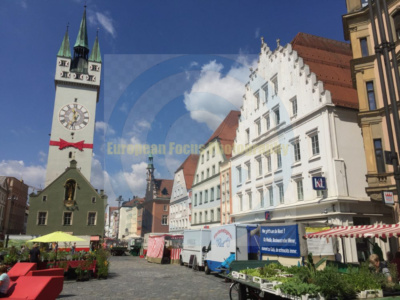
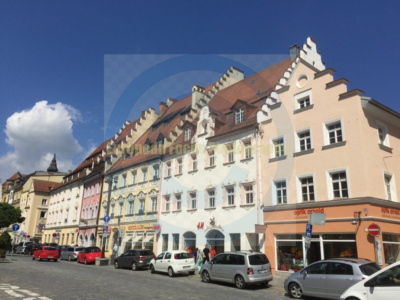
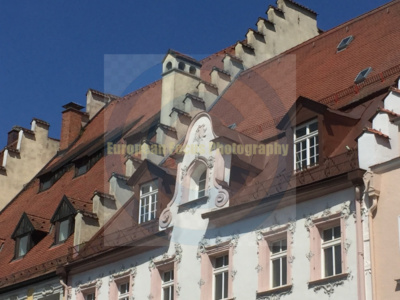
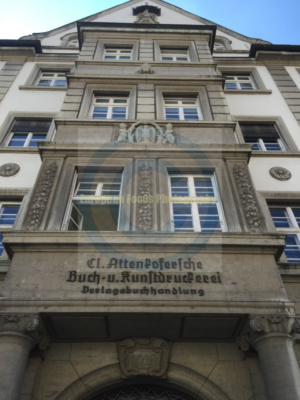
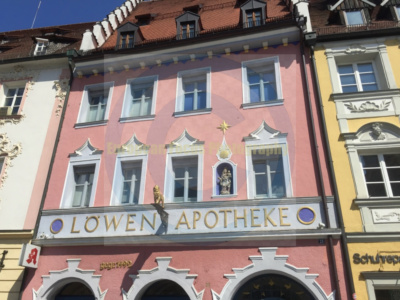
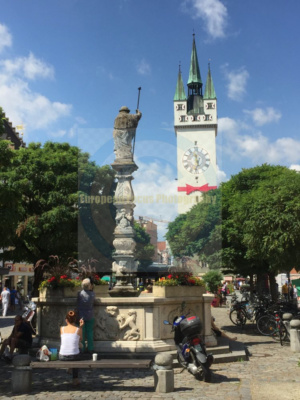
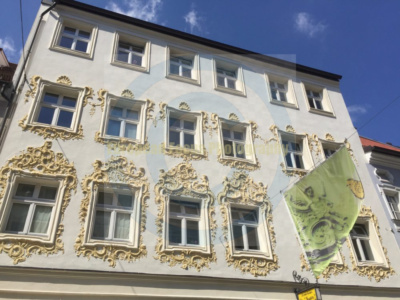
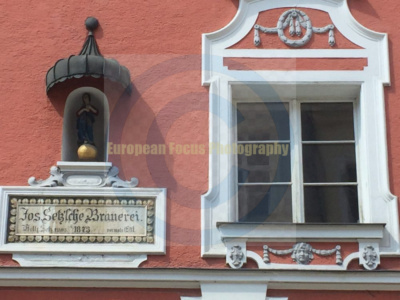
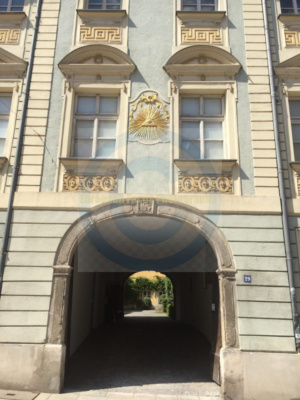
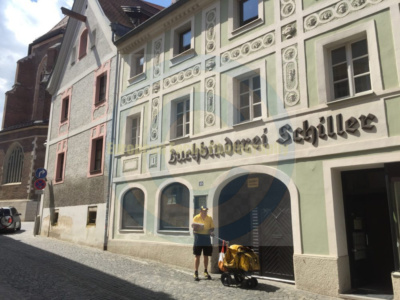
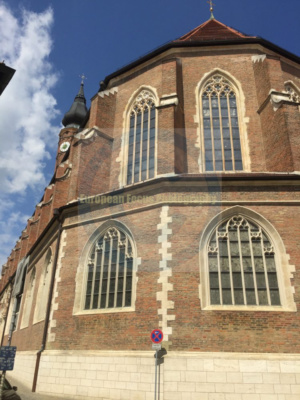
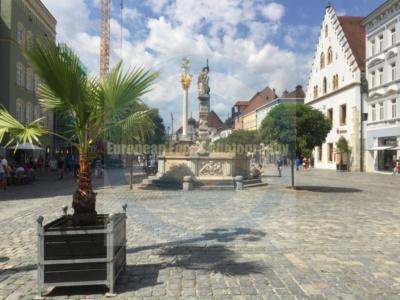
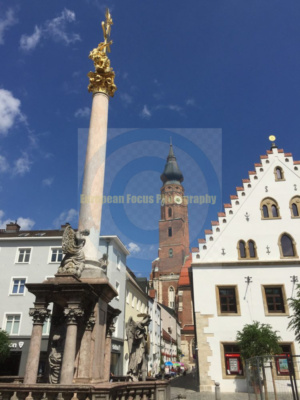
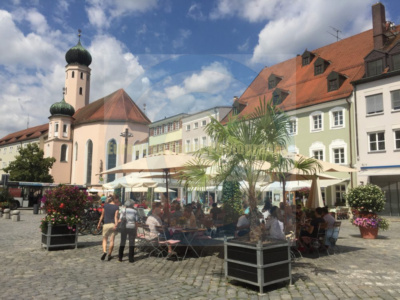
Straubing quickly developed into a center of Wittelsbach rule. From 1255, the city was the seat of a bailiwick . In the 14th century, the city tower (construction began in 1316), the Basilica of St. James (around 1395), and the town square were built. Today, the Gothic city center, with its 800-meter-long town square, presents a harmonious mix of Gothic stepped gables, Renaissance oriels, Baroque and Rococo facades , and Neoclassical pilasters . As a result of the Wittelsbach inheritance divisions, Straubing became the capital of the Duchy of Bavaria-Straubing in 1353 , which was the Bavarian part of the Straubing-Holland complex . This Wittelsbach line became extinct in the male line as early as 1425, and the duchy was divided after inheritance disputes in the Pressburg Arbitration , with the city of Straubing falling to Bavaria-Munich . Nevertheless, these seven decades are more formative for the city’s history than any other period. [ 7 ] In particular, Duke Albrecht I and later his son and governor Albrecht II resided in the city for a long time.
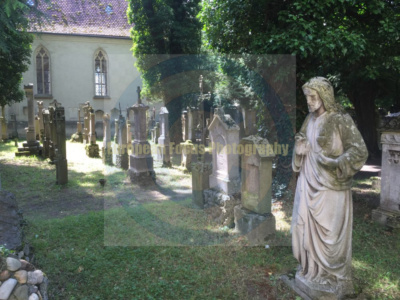
The love story between Albrecht III , the Wittelsbach heir who administered the Straubing region for his father, Duke Ernst of Bavaria-Munich, and Agnes Bernauer , the daughter of a bathhouse owner, achieved widespread fame. Their tragic end came in 1435 in the Danube near Straubing. As penance, Duke Ernst built the Bernauer Chapel in St. Peter’s Cemetery, where the gravestone can still be found today.
From 1474 onwards, the ring of fortifications around the city was significantly expanded. In order to better control shipping traffic and to collect the tolls , which were important for the city coffers, the course of the Danube was also diverted closer to the city through the so-called Sossau Bschlacht , utilizing the old oxbow lake.
In 1507, a reform by Duke Albrecht IV established the Straubing Revenue Office , thus making the city one of the administrative centers of the Duchy of Bavaria for three centuries . In 1514, this territory, like Landshut, initially fell to Albrecht’s younger son, Ludwig X , before the divisions of the duchy finally ended in 1545.
In 1568, master woodturner Jakob Sandtner crafted a remarkably precise model of his hometown of Straubing for its time. Today, it is an outstanding document of the city’s history, a copy of which can be viewed at the Gäubodenmuseum . Sandtner also created further city models of the then-administrative cities of Munich , Landshut , Ingolstadt , and Burghausen , commissioned by the Bavarian Duke Albrecht V. These, along with the original Straubing model, are on display at the Bavarian National Museum in Munich.

In the 16th century, Straubing was the center of the Reformation in Lower Bavaria , but the city eventually had to submit to the exclusive Catholicism of the Duchy of Bavaria. A victim of this policy of expulsion was the famous patrician’s son Ulrich Schmidl , who participated in the Spanish conquest of South America from 1535 to 1554 and is considered a co-founder of Buenos Aires and the first historian of Argentina . From 1614, the Capuchins , and from 1631 the Jesuits and other religious orders , which settled there in the 17th and 18th centuries, such as the Ursulines in 1691, the Franciscans in 1702, and the Elisabethines in 1748, who primarily cared for the sick at the Azlburg Monastery , were responsible for upholding the city’s orthodoxy .
The Thirty Years’ War was a devastating blow to Straubing : around 1,800 of its 4,000 inhabitants fell victim to the Swedish occupation under Bernhard of Weimar or the plague they brought with them in 1633. All the properties surrounding the city walls were demolished for fortification purposes or destroyed by shelling. It wasn’t until the end of the 17th century that the city recovered, and during the Baroque period, it became an important center of activity for the Asam family of sculptors and painters . Together, the Asam brothers created the Ursuline convent church .
In 1704, Straubing was occupied by the Austrians ( War of the Spanish Succession ) because Elector Max Emanuel had allied himself with France. Due to a vow to ward off the threat of war, the so-called Trinity Column was erected in 1709. The city also survived sieges by Austrian troops in 1742 and 1743 ( War of the Austrian Succession ) when Elector Karl Albrecht sought the imperial crown. The resulting economic crisis culminated in the city’s bankruptcy and the great fire of 1780, which reduced large parts of the districts north of the town square to rubble. The work of the sculptor and stuccoist Mathias Obermayr also falls within this period ; he gave numerous house facades and many churches in and around the city a final, distinctive Rococo splendor . After secularization, Straubing largely lost its political importance as a seat of government and administration – but its position as the most important market and trading center in the Gäuboden region between Regensburg and Passau was largely retained.

Following the example of the Munich Central Agricultural Festival, a district agricultural festival was established in Straubing in 1812, the present-day Gäubodenvolksfest . [ 8 ] The two parts of the town square were renamed Ludwigsplatz and Theresienplatz on the occasion of the visit of the Crown Prince and Princess. [ 9 ] Further renaming of streets and squares in the city took place during the Nazi era (for example, Großdeutschlandplatz, Freiherr-von-Epp -Straße), but these were reversed after the Second World War .
Since the end of the 19th century, Straubing was home to Bavaria’s largest prison , at that time a modern, newly constructed building. At the end of the 20th century, the Bavarian Correctional Academy (initially as the Bavarian Correctional Training School) and a forensic psychiatric hospital were added. Today, the Straubing Correctional Facility houses offenders serving sentences of more than five years.
The Straubing Craftsmen’s Credit Cooperative was founded in 1904.
Straubing was among the first Bavarian cities to be swept up in the November Revolution at the end of the First World War . On November 8, 1918, a demonstration freed prisoners. By the afternoon of November 9, a workers’ and soldiers’ council had already been formed, followed by a citizens’ council that evening.
Otto Selz, murdered in Straubing in March 1933 [ 10 ] , was the first Jewish victim of Nazi rule in Germany. During the November Pogrom of 1938, the synagogue of the Jewish community on Wittelsbacherstrasse was vandalized by SA men . A memorial plaque at the memorial for the victims of war in the Powder Tower has commemorated the 43 Jewish residents who fell victim to the Holocaust since 1988, while a memorial stone in St. Peter’s Cemetery commemorates the victims of forced labor . [ 11 ]
Three heavy US air raids on the railway hub of Straubing in World War II in 1944/45 killed at least 400 people and caused widespread destruction in the city. [ 12 ] Most of the historic buildings survived the bombings unscathed. In the post-war period, Straubing experienced a major economic boom, associated with names such as the ski company Völkl and the concert electronics manufacturer Dynacord .

On January 1, 1972, as part of the territorial reform, the previously independent municipalities of Hornstorf and Kagers were incorporated. Alburg and Ittling followed on July 1, 1972. [ 13 ] Parts of the dissolved municipality of Unterzeitldorn ( Zeitldorn until April 26, 1951 [ 14 ] ) were added on July 1, 1976. [ 15 ]
Straubing hosted the Bavarian State Garden Show in 1989 and the Bavarian Farmers’ Exhibition in 1992. In 1997, the 1100th anniversary of the city’s first documented mention was celebrated with a large public festival in the town square, and the German Post Office issued a special stamp to commemorate the occasion. The 650th anniversary of the Duchy of Straubing-Holland was celebrated with a series of events in 2003.
(Wikipedia)