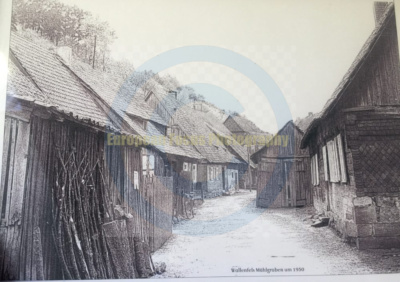
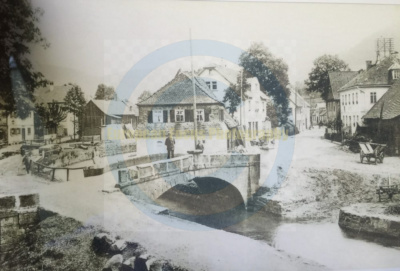
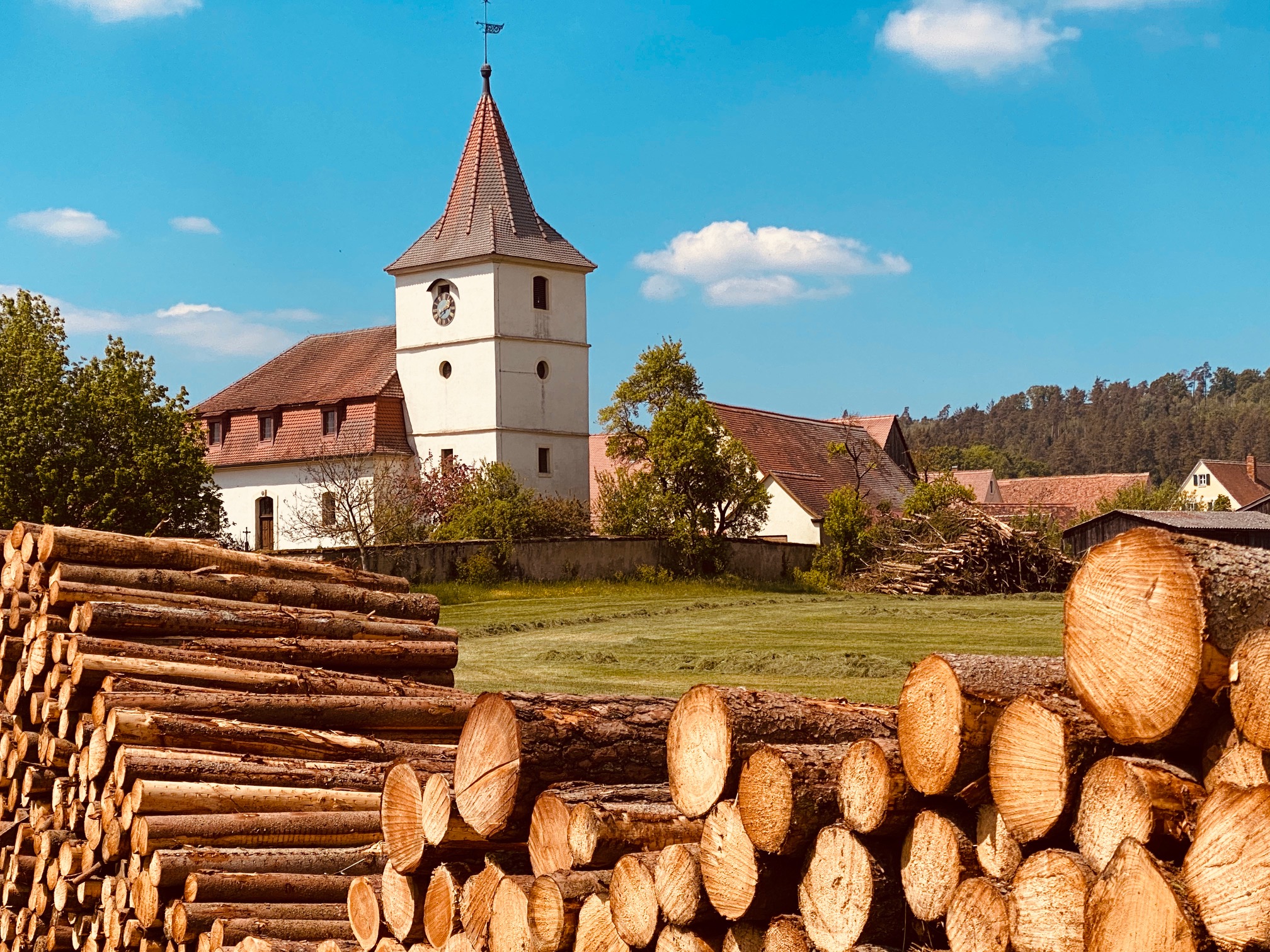
Wallenfels, Bavaria
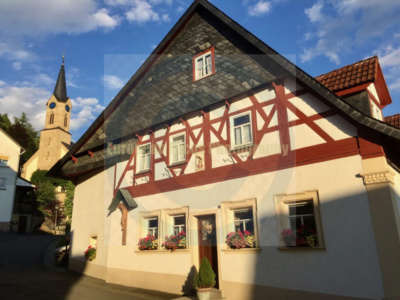
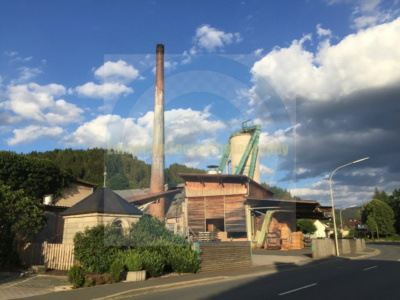
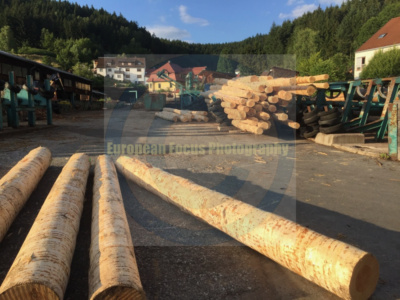
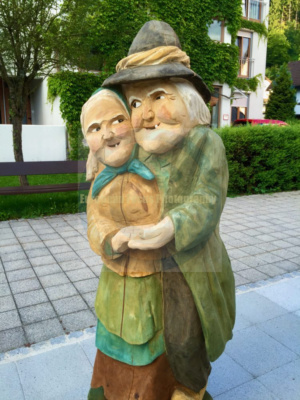
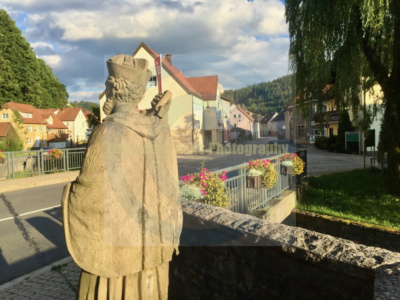
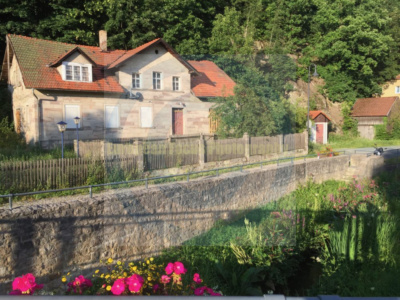
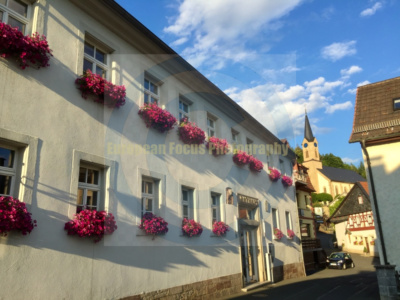
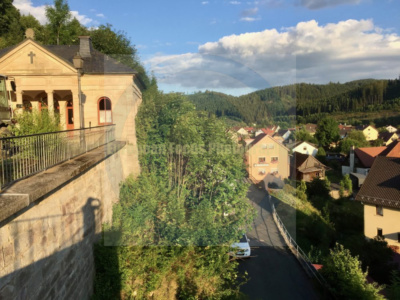
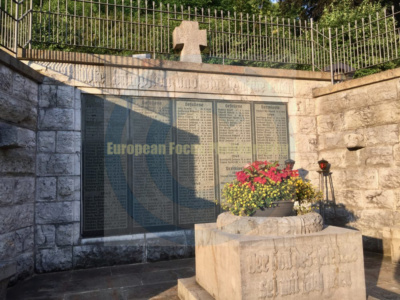
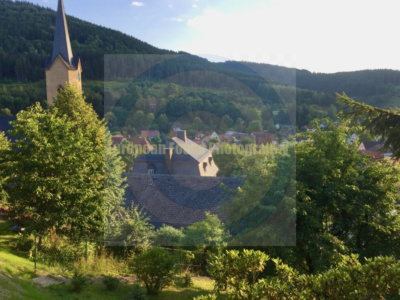
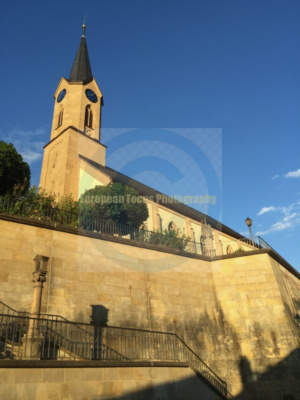
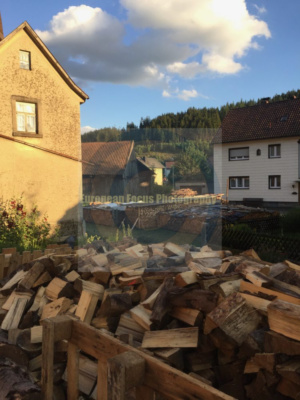
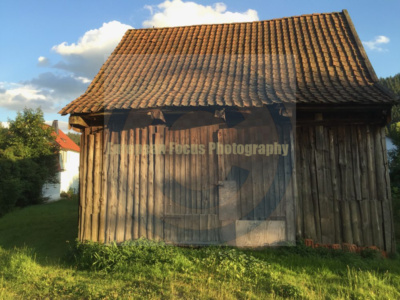
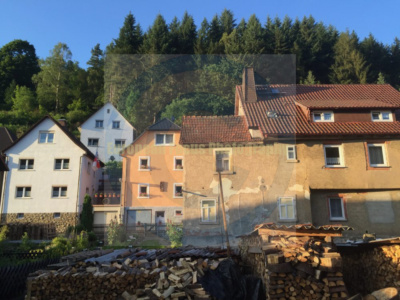
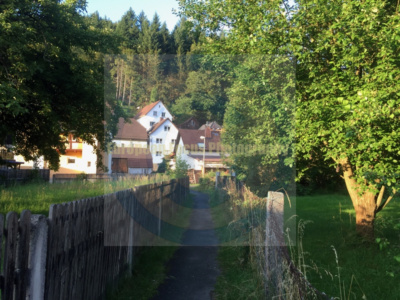
Wallenfels, Germany was photographed by James Derheim, European Focus Private Tours, in 2016 and 2017.
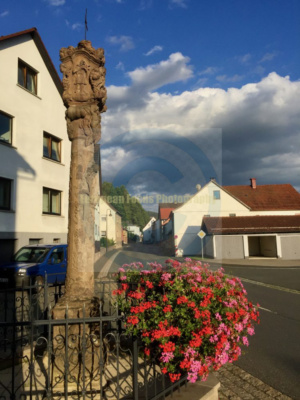
There is an image of a “bildstock” in this gallery. These are fascinating pieces of history. Here is more from an AI search on the web. The Wallenfels Bildstock description:
The Baroque wayside shrine is adorned with numerous putti heads and richly decorated with rocaille. The curved base features two putti heads on its front and one on each side. The rocaille ornamentation of the base is continued on the column shaft, alternating with small foliate garlands, up to the Ionic capital. In the upper third of the column is a cartouche framed by two putti heads, rocaille, and tendrils; it bears the heavily weathered inscription "To the honor of God the Holy Trinity, this was erected here by Lord Heinrich Götz Rathsburger 1752" and below it "Renovated 1925". At the two corners of the capital's front are two angel figures with a coat of arms between them. On the back, two volutes flank a putti head framed by a garland.
The Bildstock (plural: Bildstöcke) tradition in Germany refers to the, often centuries-old, practice of erecting and maintaining small, mostly religious, wayside shrines along roads, paths, and at crossroads. These structures, ranging from simple stone pillars to intricate, house-like shrines, are essential elements of the cultural landscape, particularly in Catholic regions of Germany, Austria, and Switzerland.
Origins and Purpose
-
-
- Significance: They are recognized as religious small monuments (Kleindenkmal), intended to promote prayer, devotion, and reflection for travelers.
- Historical Context: Many were built between the 16th and 18th centuries (Baroque period), but their roots can go back to the early days of Christianization (around 900 AD).
- Motivations: They were frequently constructed to commemorate an accidental death (often called Marterl or Marter), as a sign of gratitude for surviving dangerous situations (like war or plagues), or to mark important route points.
- Function: Before street lighting, they often provided light in the darkness, and they functioned as key points for local processions and pilgrimages.
-
Characteristics and Types
-
-
- Materials & Design: Bildstöcke are constructed from wood, stone, or masonry. They usually contain a religious image, such as a painting or statue of Christ, the Virgin Mary, or a saint.
- Varieties: Types include pillar shrines, “ladle” shapes (Schöpflöffel), and chapel-like structures that may include a kneeling platform.
- Regional Variations:
- Franconia (Franken): Known for a rich landscape of Bildstöcke, often with freestanding figures.
- Alpine Region: Frequently features crucifixes surrounded by intricate wood carvings and a roof for protection.
- Rhineland: Over 200 exist in Cologne alone, with some locations named after them, like “Bilderstöckchen”.
- Other Names: Depending on the region, they are also known as Marterl, Heiligenstock, Wegstock, or Betsäule.
-
Cultural Significance and Care
-
- Folk Piety: The erection and maintenance of these sites are a widespread form of local popular piety (Volksfrömmigkeit).
- Maintenance: Local communities, church groups, or individuals (e.g., the Sauerland hikers’ association SGV) often care for them, adorning them with flowers or votive candles.
- Conservation: Many Bildstöcke have been restored to preserve their historical, artistic, and spiritual significance, with some dating back to the 17th century, such as a 1641 example in northwest Germany.