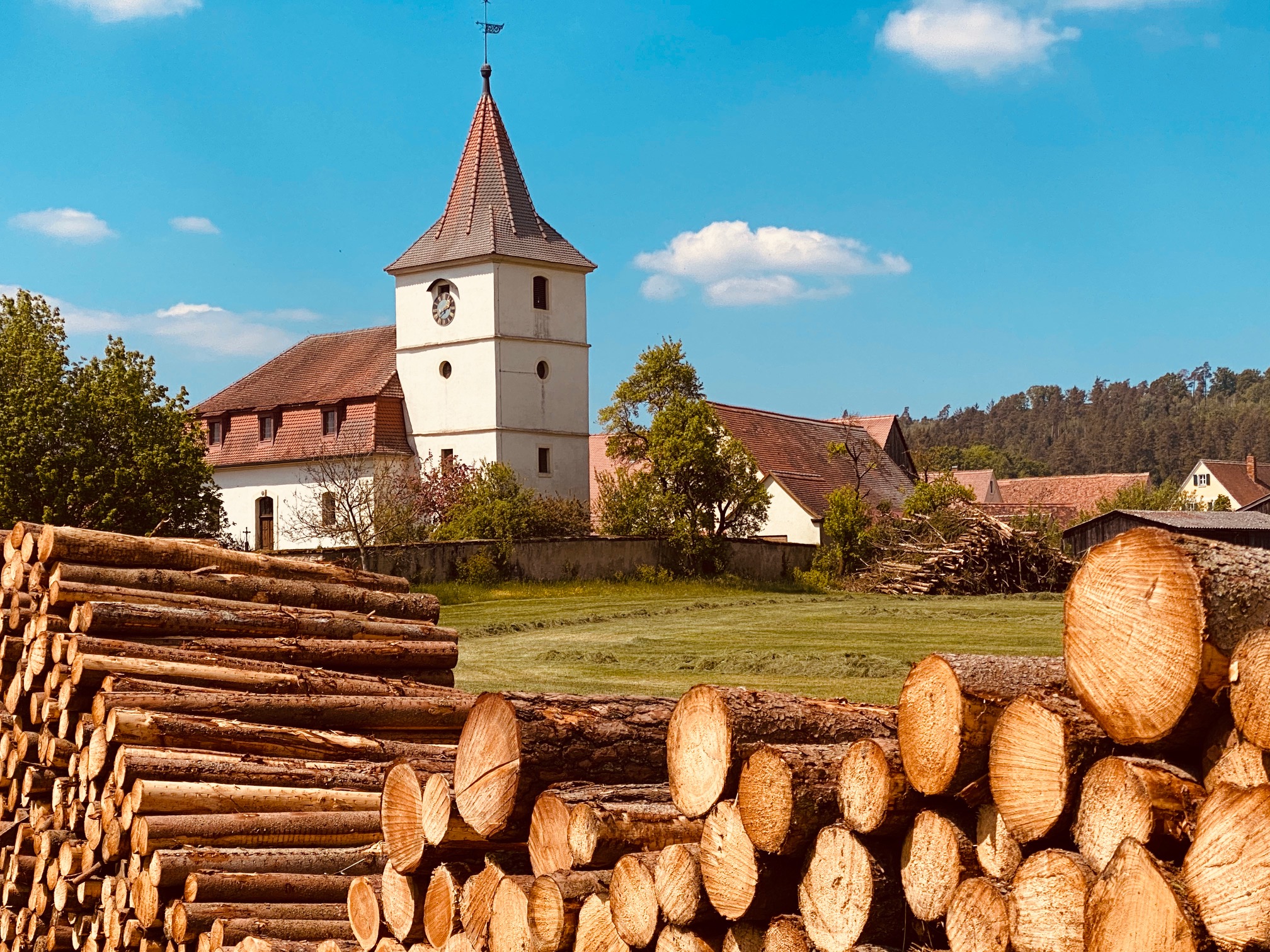
Lechlade-on-Thames, Gloucestershire
Photographed by James Derheim, European Focus Private Tours, on June 1, 2017
Photographed as part of a genealogy tour with a family historian. If you have interests in other aspects of this village, please fill out my contact form, here: https://europeanancestryphotos.com/contact/
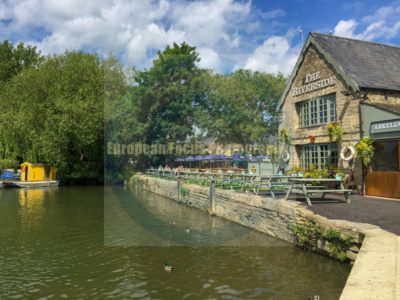
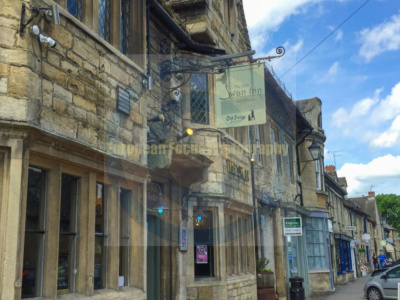
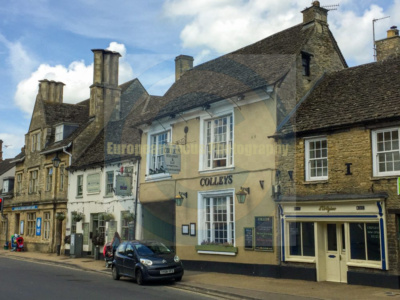
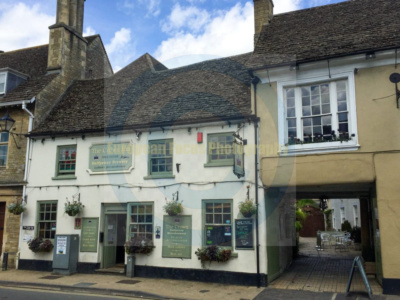
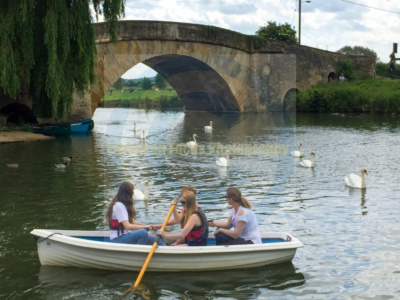
Lechlade (/ˈlɛtʃleɪd/) is a town at the edge of the Cotswolds in Gloucestershire, England, 55 miles (89 km) south of Birmingham and 68 miles (109 km) west of London. It is the highest point at which the River Thames is navigable, although there is a right of navigation that continues south-west into Cricklade, in the neighbouring county of Wiltshire. The town is named after the River Leach that joins the Thames near the Trout Inn and St. John’s Bridge.
The low-lying land is alluvium, Oxford Clay and river gravels and the town is surrounded by lakes created from disused gravel extraction sites, forming parts of the Cotswold Water Park; several have now been designated as Sites of Special Scientific Interest and nature reserves. Human occupation dates from the Neolithic, Iron Age and Roman periods and it developed as a trading centre served by river, canal, roads and railway, although the station closed in 1962.
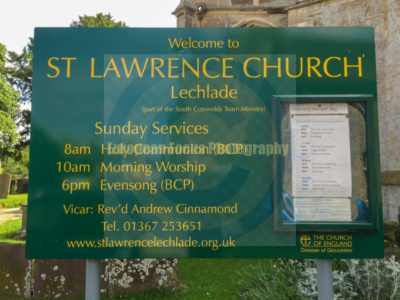
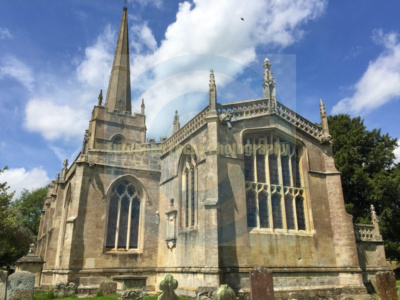
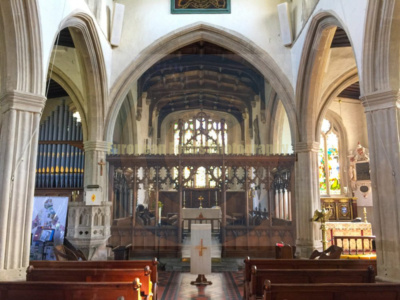
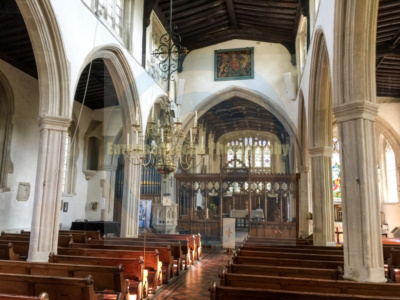
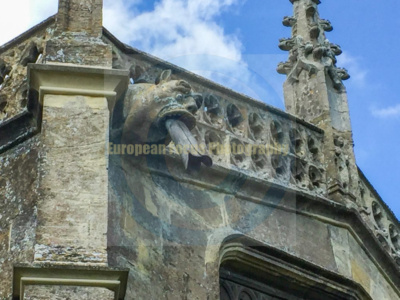
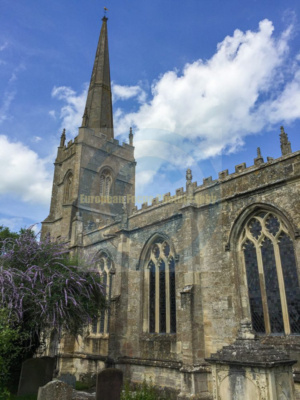
The Anglican Church of St Lawrence is a Grade I listed building dating from the 15th century. The development of the nearby RAF Fairford and RAF Brize Norton after World War II contributed to the expansion of the town.
A Neolithic cursus was discovered from cropmarks on aerial photographs was identified in 1943.[3] There are several archaeological remains of dwellings from the Iron Age and Roman periods, which have now been scheduled as an ancient monument.[4][5][6][7]
William the Conqueror gave the manor of Lechlade to Henry de Ferrers, who had accompanied him to England in 1066, and the manor is mentioned in the Domesday Book.[8][9] A charter granting market to the town was passed in 1210.[9] Lechlade Priory was founded in the early 13th century and lasted until 1472.[10] The town developed as a trading centre linked by the river, canal, roads and railway. The town’s railway station opened in 1873 and closed in 1962.[9] The development of RAF Fairford and RAF Brize Norton following World War II increased local employment and the need for housing.
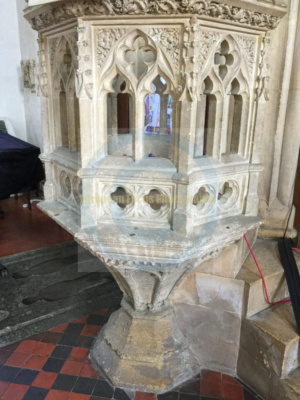
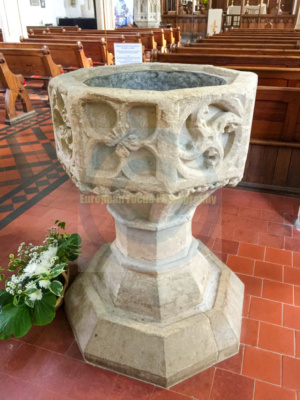
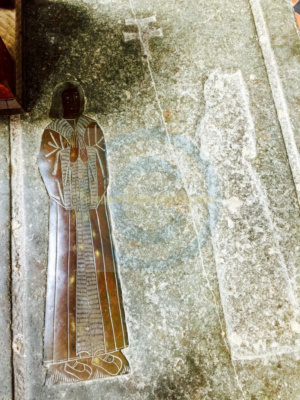
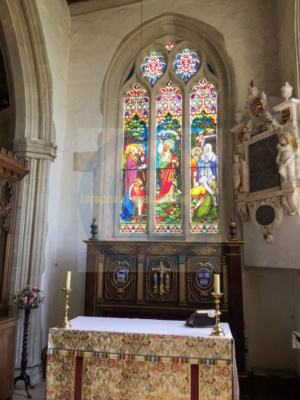
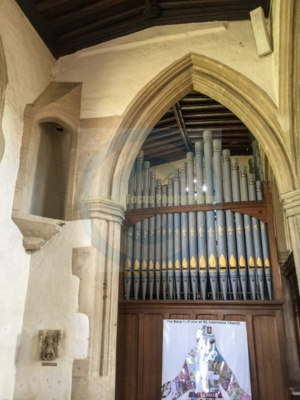
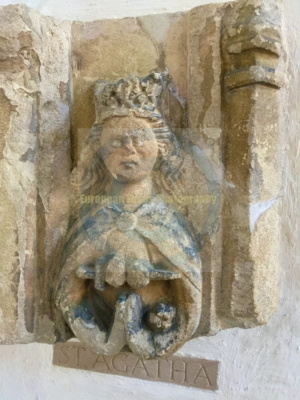
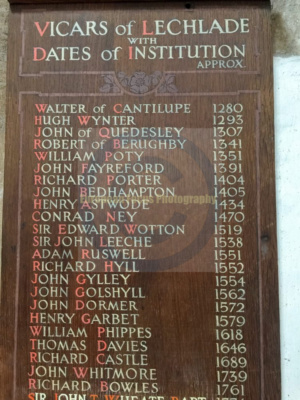
The Church of England parish church of St Lawrence is a Grade I listed building.[31] It replaced an earlier structure in the 15th century (probably around 1470–1476[32]), though the nave roof and clerestory, the north porch, and the tower and spire may have been added in the early 16th century. A west gallery for singers was installed in 1740 and there were further internal additions in the 1880s.[33] The church contains a Monumental brass of John Twynyho (died 1485), set into his ledger stone on floor of north aisle. He, and his wife Agnes, acquired the manor of “Hallecourte” in Lechlade.[34] This may have been the same property as “Butler’s Court”, a 4-yardland estate which in 1304 had been granted by John de Bellew to John Butler. John Twynyho of Cirencester was lord of Butler’s Court in 1479.[35]
There is a Baptist church on Sherborne Street which was built in 1817.
Notable people
- Reginald Arkell (1881–1959) was born in Lechlade. He went on to train as a journalist and then became a script writer and comic novelist who wrote many musical plays for the London theatre.
- Thomas Prence (1599–1673), emigrated to America in 1621 and was a co-founder of Eastham, Massachusetts, a political leader in both the Plymouth and Massachusetts Bay Colonies, and governor of Plymouth, Massachusetts (1634, 1638, and 1657–1673).[38]
- Roman Bilinski (2004–) born in Lechlade to Polish Parents, and is a racing driver, previously competing in Championships like Formula 3, FRECA, Formula Regional European Championship.
Source: Wikipedia