Kloster
Photographed in June, 2014 by European Focus Photography founder James Derheim. Kloster is a small town in the western part of Central Denmark Region with a population of 599. Kloster is located between the North Sea, Stadil Fjord and Ringkøbing Fjord.
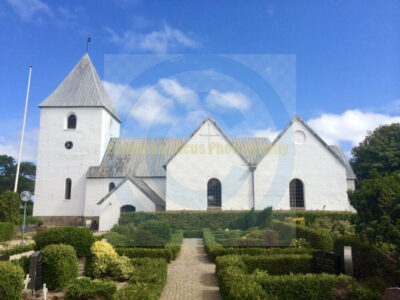
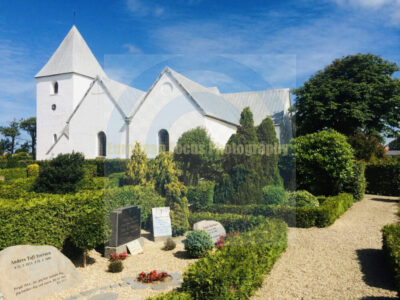
The village of Kloster sits halfway between Ringkøbing and Søndervig in an area called Holmsland. The area traces its recorded beginnings to the early 1600s when a local lord used the term in a letter to the king. Central to the village is the New Sogn Church which dates to the mid-thirteenth century and is one of the largest village churches in Denmark, seating approximately 340.[2]
There has never been an actual “cloister” in the village and the stories regarding attribution of the name are not in agreement.
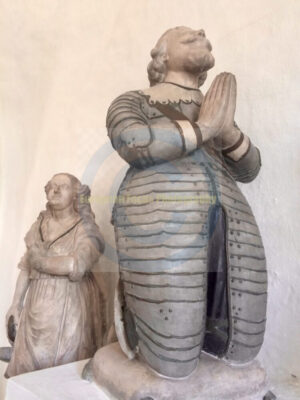
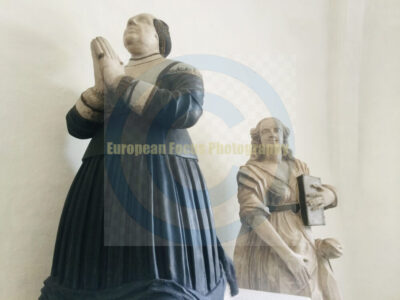
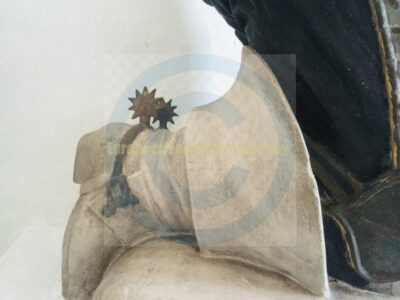
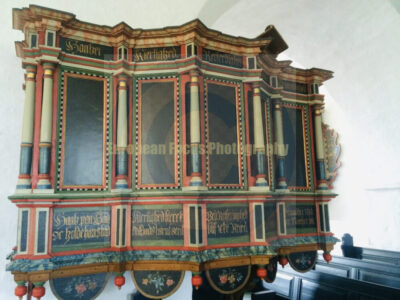
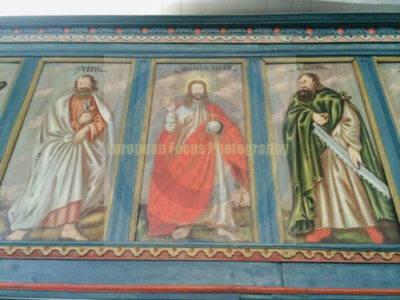
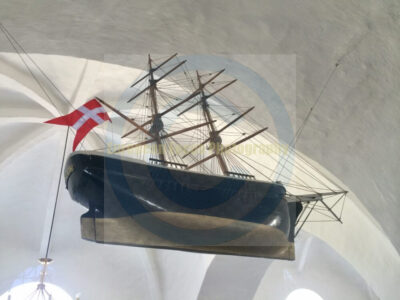
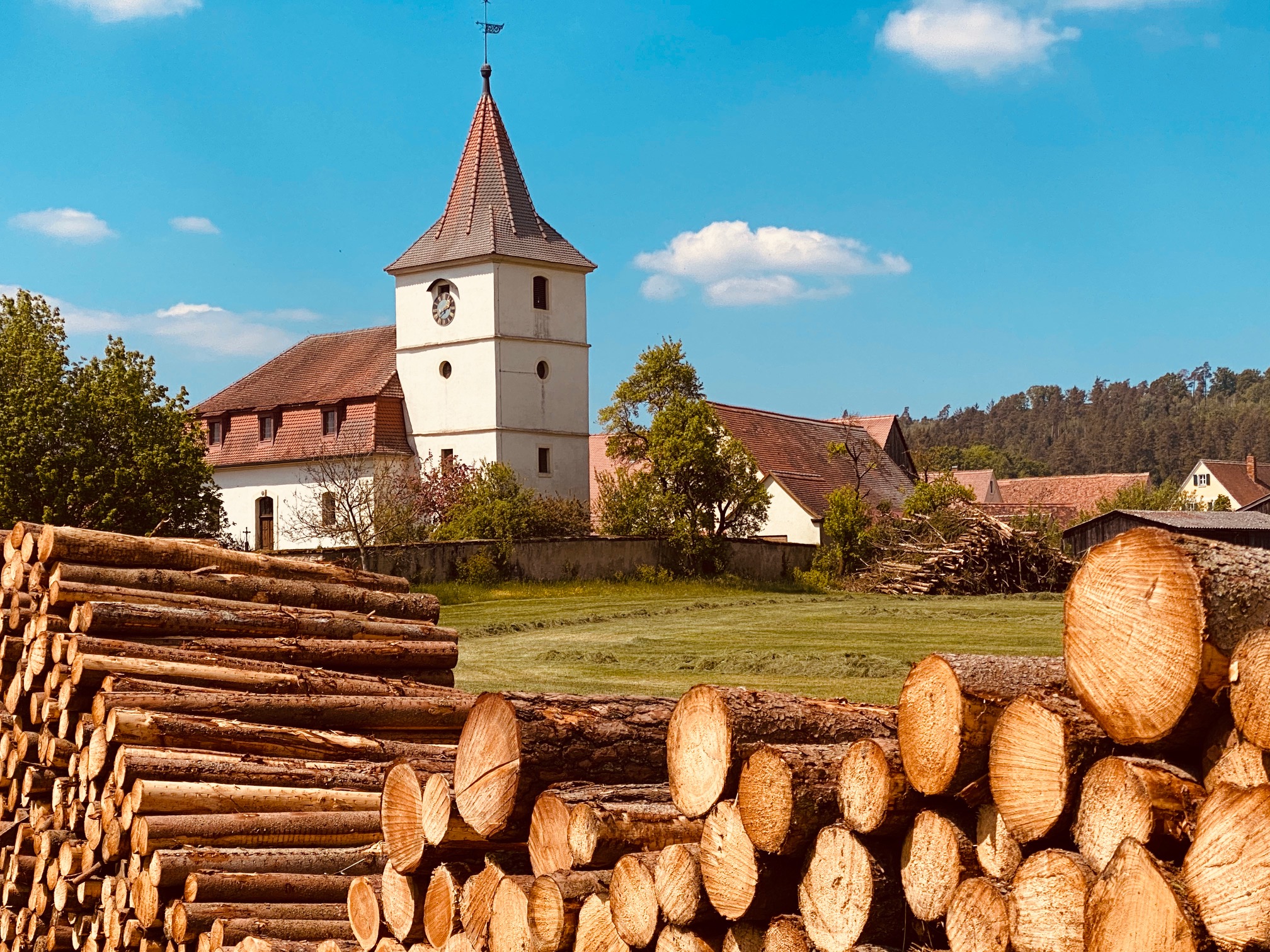
This gallery features the church, one of Denmarks largest village churches.
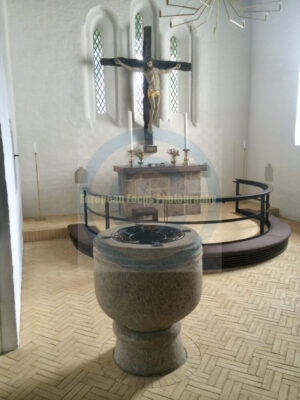
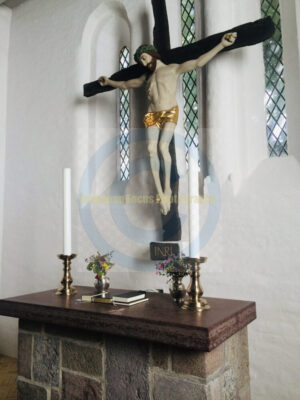
The church was built in 1225 and is both romanesque and early gothic. It is the fourth or fifth largest village in Denmark and also the most peculiar. Was originally built as a church without a stepple. About 1450 it was extended toward north and south. In the east end of the chanel is a distinguished, tall early gothic triple window. The crucifix is from 1500. Thanks to Vesterhavet.com
Link to the church web site: www.holmsland-kirker.dk
More about Kloster, Denmark:
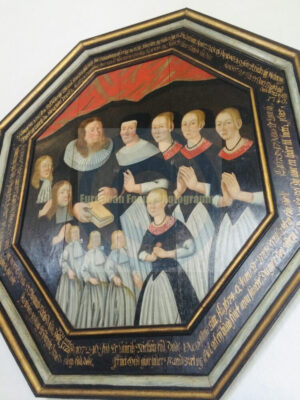
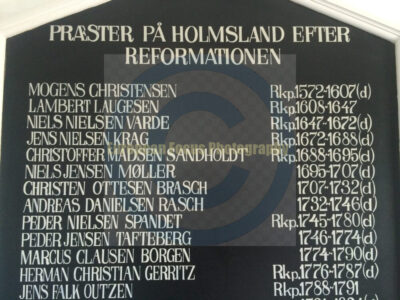
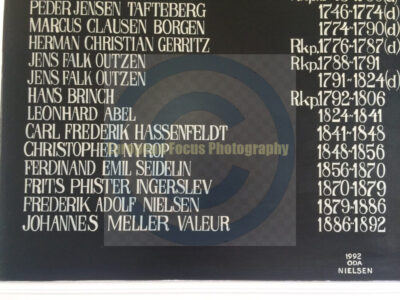
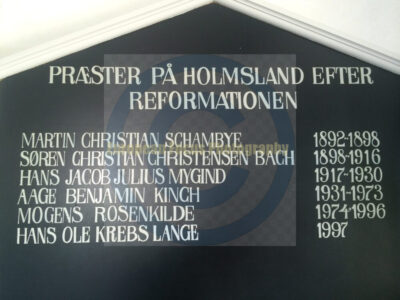
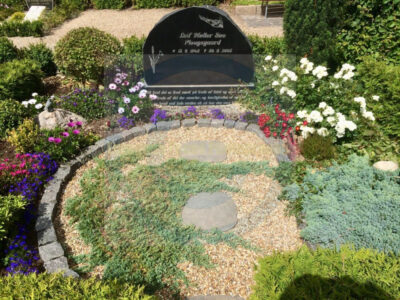
- Local clergy and parishioners: Like most Danish village churches, its churchyard contains graves of local residents. The graves follow a system where they are often reused after several generations unless an ongoing fee is paid, meaning very old individual graves are rare.
- Anders Michelsøn: An inscription mentions the burial of S.H. Anders Michelsøn, a former priest for the Dovr and Veng parishes who died in 1596, and his wife Anne Thomisdater.